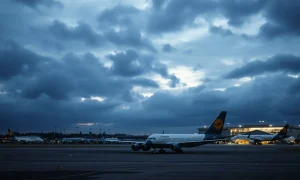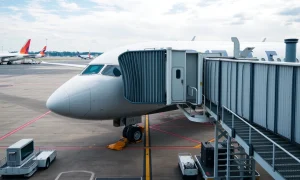
In a stunning regulatory move that has sent shockwaves through the aviation industry, a major carrier has ceased all operations immediately after authorities revoked its operating license, canceling its final flights and leaving thousands of passengers stranded across multiple continents. This decisive action, confirmed by national aviation regulators on Friday, underscores the stringent safety and financial oversight governing global air travel and highlights the fragile ecosystem supporting airline operations. The sudden airline shutdown represents one of the most significant regulatory interventions in recent aviation history, triggering immediate consumer protection protocols and operational chaos at airports worldwide.
Airline License Revoked: The Regulatory Hammer Falls
The Civil Aviation Authority (CAA) announced the license revocation late Thursday, citing “persistent and critical failures” to meet mandated safety and financial viability standards. Consequently, the airline grounded its entire fleet and canceled all scheduled flights with immediate effect. This regulatory action follows a six-month probationary period during which the carrier failed to rectify multiple deficiencies identified during intensive audits. Aviation regulators maintain a zero-tolerance policy for breaches of core operational protocols, especially those pertaining to aircraft maintenance and crew training. Furthermore, the airline’s financial statements revealed unsustainable debt levels, eroding regulator confidence in its ability to operate safely.
Historically, such drastic measures are rare but not unprecedented. For instance, several European carriers faced similar fates following the 2019 EU safety list updates. The table below contrasts recent significant regulatory actions against airlines:
| Airline | Year | Primary Reason | Outcome |
|---|---|---|---|
| Current Carrier | 2025 | Safety & Financial Non-Compliance | Full License Revocation |
| Regional European Airline | 2022 | Maintenance Procedure Failures | Partial Route Suspension |
| Asian Budget Carrier | 2021 | Insolvency & Liquidity Crisis | Administration & Restructuring |
This decision was not taken lightly. The regulator’s statement emphasized that passenger safety is the paramount, non-negotiable principle in aviation. All subsequent communications directed affected travelers to official channels for reimbursement and rebooking assistance.
Immediate Fallout: Flight Cancellations and Passenger Chaos
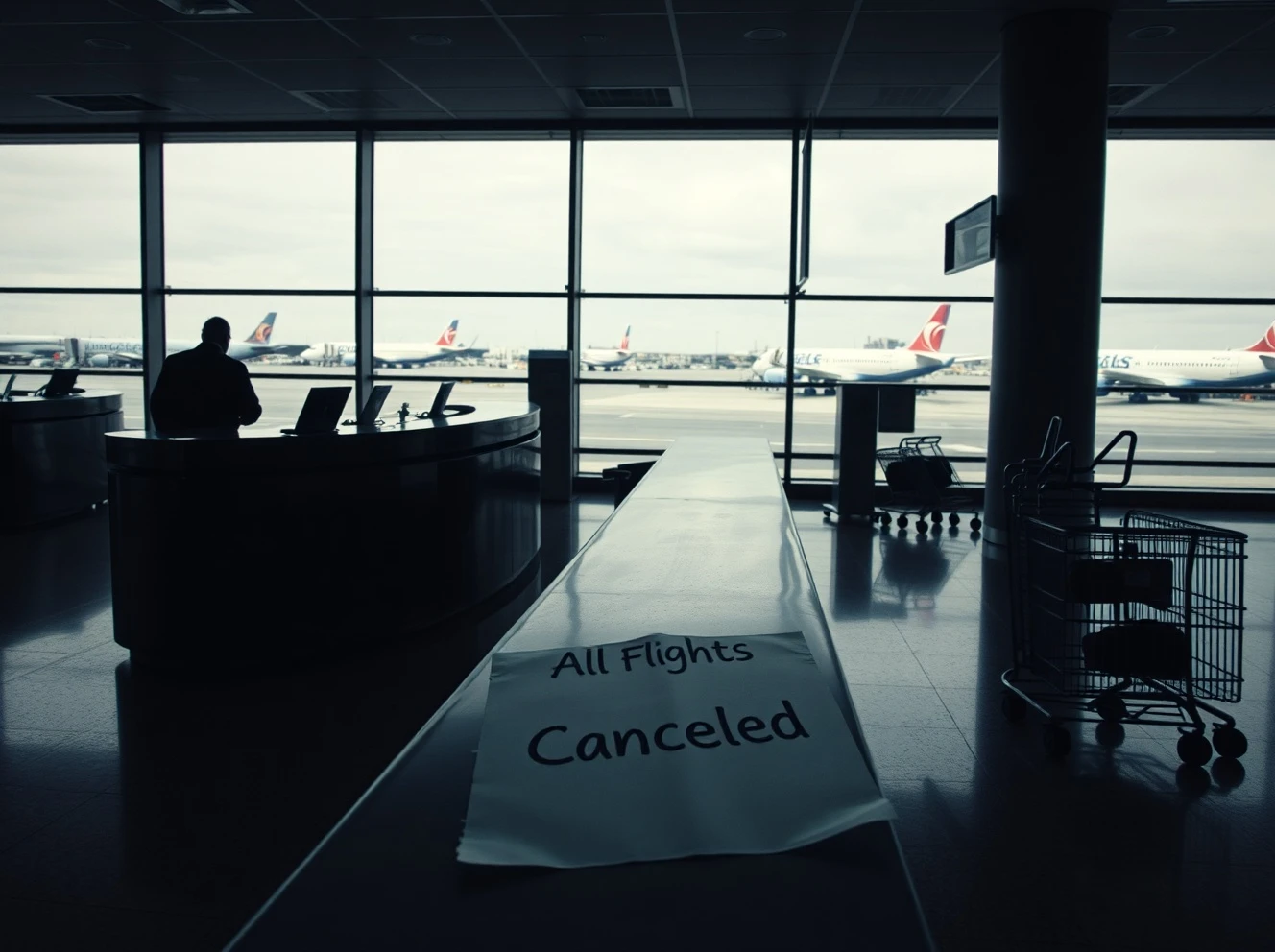
Airports served by the airline experienced immediate disruption. Departure boards flashed “CANCELED” next to all the carrier’s flights, while ground staff distributed hastily printed notices to confused travelers. Social media platforms quickly flooded with passenger reports of stranded families and missed critical connections. Key impacts include:
- Stranded Passengers: An estimated 15,000 passengers were mid-journey or awaiting departure.
- Crew Status: Over 2,000 pilots and cabin crew face immediate unemployment.
- Network Collapse: The shutdown abruptly severed vital regional and international routes.
- Financial Claims: Consumer protection agencies anticipate tens of thousands of compensation claims.
Airport authorities activated contingency plans, dedicating service desks to assist affected customers. However, rebooking options on alternative carriers remain limited, particularly on saturated popular routes. Meanwhile, industry analysts note that such events test the resilience of global travel infrastructure and consumer protection frameworks like the EU’s EC261, which mandates care and compensation for disrupted passengers.
Expert Analysis: A Symptom of Broader Industry Pressures
Dr. Alistair Vance, Professor of Aviation Management at the International Transport Institute, provided context. “This shutdown, while triggered by a license revocation, is ultimately a symptom of the extreme pressures facing the aviation sector,” Vance explained. “Airlines operate on razor-thin margins, facing volatile fuel costs, intense competition, and massive capital requirements. When one pillar—safety compliance or financial health—fails, the entire structure can collapse rapidly. Regulators are now more proactive than reactive, intervening before a tragic incident occurs.”
This perspective aligns with data from the International Air Transport Association (IATA), which shows airline profitability remains fragile post-pandemic. The affected airline had reportedly struggled to refinance its debt and modernize its aging fleet, creating a vicious cycle of rising costs and declining operational performance that ultimately attracted regulatory scrutiny.
Historical Context and the Path Forward for Travelers
The abrupt end of an airline is a complex logistical and financial event. Past cases, like the 2017 collapse of Monarch Airlines in the UK or the 2019 failure of Wow Air, provide a blueprint for the coming weeks. Typically, a specialized administrator takes control to manage refunds and repatriate aircraft. Passengers holding tickets are usually last in line of creditors, behind lenders and lessors, making travel insurance and paid-with-credit-card chargebacks critical recourse.
For current travelers, authorities recommend specific steps:
- Contact your travel insurance provider immediately.
- If you booked with a credit card, initiate a chargeback claim with your card issuer.
- Do not go to the airport; monitor official regulator and airport websites for updates.
- Book new travel independently if your trip is urgent, but keep all receipts for claims.
The void left by this carrier will likely be filled gradually. Competing airlines may add capacity on profitable routes, but less-served regional destinations could face reduced connectivity and higher fares. This event serves as a stark reminder of the interconnected nature of modern air travel, where a single operator’s failure creates ripple effects across the entire network.
Conclusion
The revocation of the airline’s operating license and its subsequent shutdown demonstrates the critical importance of rigorous aviation oversight. While the immediate aftermath focuses on stranded passengers and canceled flights, the long-term implications concern industry stability and consumer confidence. This event reinforces that safety and financial integrity are the foundational pillars of commercial aviation. Passengers affected by this airline shutdown must now navigate established consumer protection channels as the industry absorbs yet another seismic shift.
FAQs
Q1: What should I do if I had a booked flight with the airline?
Do not go to the airport. First, contact the travel agent or website where you purchased your ticket. If you booked directly, monitor the official administrator’s website (when announced) for refund procedures. Simultaneously, contact your travel insurance provider and credit card company to explore chargeback options.
Q2: Why would an aviation regulator revoke an airline’s license?
Regulators revoke licenses for severe or persistent breaches of safety regulations, such as inadequate maintenance or training, or for financial insolvency that compromises an airline’s ability to operate safely. The action is a last resort after warnings and probation periods fail to achieve compliance.
Q3: Are passengers entitled to compensation for canceled flights due to a license revocation?
Yes, under regulations like the EU’s EC261/2004, passengers are entitled to care (meals, accommodation) and a full refund or rerouting. However, if the airline is insolvent, claiming from the airline directly may be difficult. Travel insurance and credit card chargebacks become primary avenues for reimbursement.
Q4: How does this shutdown affect airline employees?
Employees are typically made redundant immediately. Their claims for unpaid wages and severance become part of the airline’s bankruptcy proceedings. Aviation unions often provide support and legal advice to affected crew and ground staff during such transitions.
Q5: Will this cause fares to increase on the routes the airline served?
In the short term, yes. Reduced competition and sudden scarcity of seats on specific routes often lead to fare increases. Over the medium term, other airlines may add capacity to meet demand, which could stabilize prices, though some regional routes may see permanently reduced service.