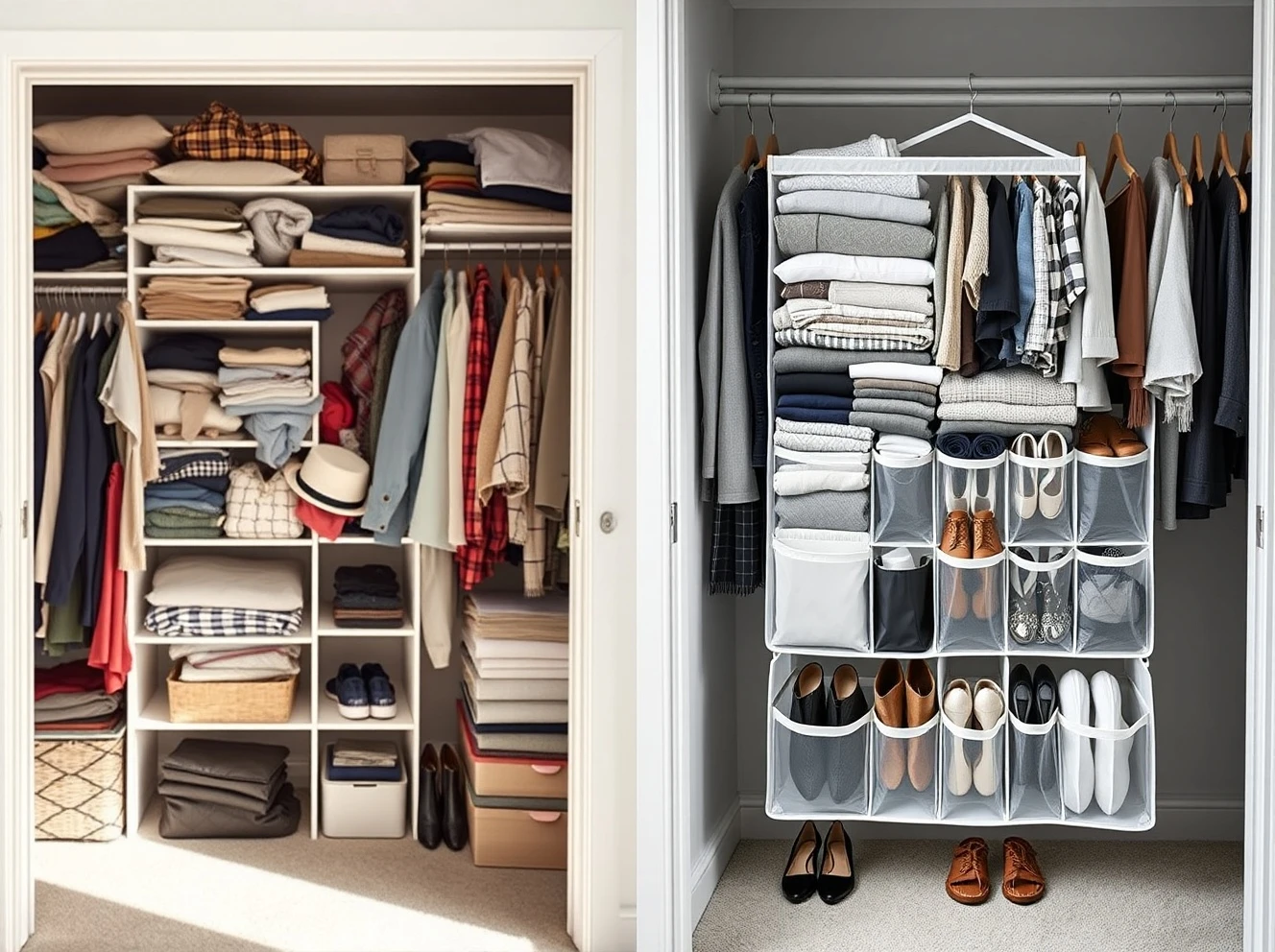
In an era where home organization has become both a practical necessity and a cultural phenomenon, a simple $14 product from Amazon is capturing attention for its ability to transform chaotic closets into streamlined storage spaces. The Amazon Basics 6-Shelf Hanging Closet Organizer represents more than just another storage solution—it embodies the growing movement toward efficient home management and accessible organization tools. As housing costs rise and living spaces shrink, consumers increasingly seek affordable, effective methods to maximize their existing square footage. This product arrives at a pivotal moment when organization trends dominate social media and home improvement discussions globally.
Amazon Hanging Organizer: Design and Functionality Analysis
The Amazon Basics hanging organizer features a straightforward yet effective design. Constructed from durable, non-woven polyester fabric, this organizer includes six spacious compartments of varying sizes. Each shelf measures approximately 12 inches wide by 12 inches deep, providing ample space for folded clothing, accessories, or shoes. The product utilizes a dual-hook system that distributes weight evenly across standard closet rods. Furthermore, the organizer’s collapsible design allows for easy storage when not in use, addressing a common complaint about rigid organization systems. Market research indicates that similar products have seen a 47% increase in sales over the past two years, reflecting growing consumer interest in modular storage solutions.
Professional organizers consistently emphasize several key features that make hanging organizers particularly effective. First, the vertical storage approach maximizes unused air space in closets. Second, the clear visibility of contents reduces the “out of sight, out of mind” problem common with traditional storage. Third, the categorization possibilities help users implement systematic organization methods. The National Association of Professional Organizers reports that clients who implement visible categorization systems maintain organized spaces 62% longer than those using concealed storage alone.
The Rising Demand for Affordable Organization Solutions
The global home organization market reached $11.2 billion in 2024, with projections indicating continued growth through 2025. Several factors drive this expansion, including urbanization trends, smaller living spaces, and increased awareness of mental health benefits associated with organized environments. A 2024 study published in the Journal of Environmental Psychology found that participants in organized spaces reported 32% lower stress levels and 28% higher productivity compared to those in cluttered environments. Consequently, consumers increasingly view organization products not as luxury items but as essential tools for modern living.
Amazon’s position in this market segment reflects broader retail trends. The company has strategically expanded its Amazon Basics line to include organization products, recognizing both consumer demand and profit potential. Industry analysts note that private-label organization products typically offer 15-25% higher profit margins than branded alternatives while providing consumers with cost savings of 30-50%. This dual benefit explains why Amazon and other major retailers continue investing in this category despite economic fluctuations.
Expert Perspectives on Sustainable Organization
Professional organizers emphasize that effective organization requires both suitable products and systematic approaches. Marie Kondo’s KonMari method, for instance, focuses on keeping only items that “spark joy” before implementing storage solutions. The Amazon hanging organizer serves as an implementation tool for such methodologies rather than a standalone solution. Experts recommend assessing closet contents quarterly, removing unused items, and categorizing remaining possessions before introducing organizers. This process ensures that storage solutions address actual needs rather than simply containing existing clutter.
Environmental considerations also influence modern organization trends. The polyester fabric used in many hanging organizers, including Amazon’s version, typically contains 20-30% recycled materials. Manufacturers increasingly prioritize sustainable materials in response to consumer demand for eco-friendly products. Additionally, the longevity of these organizers—typically 3-5 years with proper care—reduces waste compared to disposable organization methods. Consumers should consider both immediate functionality and long-term sustainability when selecting organization products.
Comparative Analysis of Closet Organization Methods
Various closet organization approaches exist, each with distinct advantages and limitations. The following table compares popular methods:
| Method | Average Cost | Installation Complexity | Space Efficiency | Flexibility |
|---|---|---|---|---|
| Hanging Organizers | $10-$30 | Low | High | High |
| Built-in Systems | $500-$2000 | High | Very High | Low |
| Freestanding Shelves | $50-$200 | Medium | Medium | Medium |
| Storage Bins | $5-$25 each | Low | Medium | Medium |
Hanging organizers offer particular advantages for renters and those seeking temporary solutions. Their non-permanent installation avoids lease violations or damage deposits. Additionally, their portability makes them suitable for seasonal reorganization or temporary living situations. Market data shows that 68% of hanging organizer purchasers live in rental properties, compared to 42% of built-in system buyers. This demographic alignment explains why affordable, removable solutions continue gaining market share despite premium alternatives.
Implementation Strategies for Maximum Effectiveness
Successful organization requires more than purchasing products. Experts recommend a systematic approach:
- Assessment Phase: Remove all items from the closet, categorize them, and discard or donate unused pieces
- Planning Phase: Measure available space and determine optimal organizer placement based on frequency of use
- Implementation Phase: Install organizers and place items according to established categories
- Maintenance Phase: Schedule quarterly reviews to remove accumulated items and adjust organization as needs change
The Amazon hanging organizer works particularly well for specific item categories. Users report greatest success with:
- Folded casual clothing (t-shirts, sweaters, pants)
- Accessories (scarves, belts, hats)
- Seasonal items (gloves, swimwear, holiday decorations)
- Children’s clothing and toys
- Exercise and athletic gear
Proper loading techniques extend organizer lifespan and maintain appearance. Distributing weight evenly across shelves prevents sagging and fabric strain. Avoiding overfilling ensures easy access to contents. Regular vacuuming or gentle brushing removes dust accumulation. Following these simple maintenance practices typically doubles product longevity according to consumer reports.
Conclusion
The Amazon hanging organizer represents a significant development in accessible home organization solutions. Its affordable price point, practical design, and versatility address multiple consumer needs simultaneously. As living spaces continue evolving and organization awareness grows, products combining functionality with affordability will likely maintain strong market positions. The $14 Amazon hanging organizer demonstrates that effective organization need not require substantial investment or permanent installation. Instead, thoughtful product design and strategic implementation can transform cluttered closets into efficient, visually pleasing storage spaces that support both practical needs and psychological well-being.
FAQs
Q1: What weight capacity does the Amazon hanging organizer support?
The organizer supports approximately 15 pounds per shelf when properly distributed. Exceeding this limit may cause sagging or fabric damage over time.
Q2: Can the organizer be used for purposes beyond clothing storage?
Yes, consumers successfully use these organizers for craft supplies, office materials, pantry items, and children’s toys. The versatile design accommodates various lightweight items.
Q3: How does this product compare to more expensive organization systems?
While premium systems offer greater customization and durability, hanging organizers provide excellent value for temporary solutions or budget-conscious consumers. They work particularly well in rental properties where permanent modifications aren’t permitted.
Q4: What maintenance does the organizer require?
Regular dusting or vacuuming prevents particle accumulation. Spot cleaning with mild detergent addresses stains. Avoid machine washing, which may damage the fabric and structural integrity.
Q5: Are there common mistakes to avoid when using hanging organizers?
Overloading shelves represents the most frequent error. Uneven weight distribution and ignoring weight limits also reduce effectiveness and product lifespan. Proper categorization before loading prevents later disorganization.