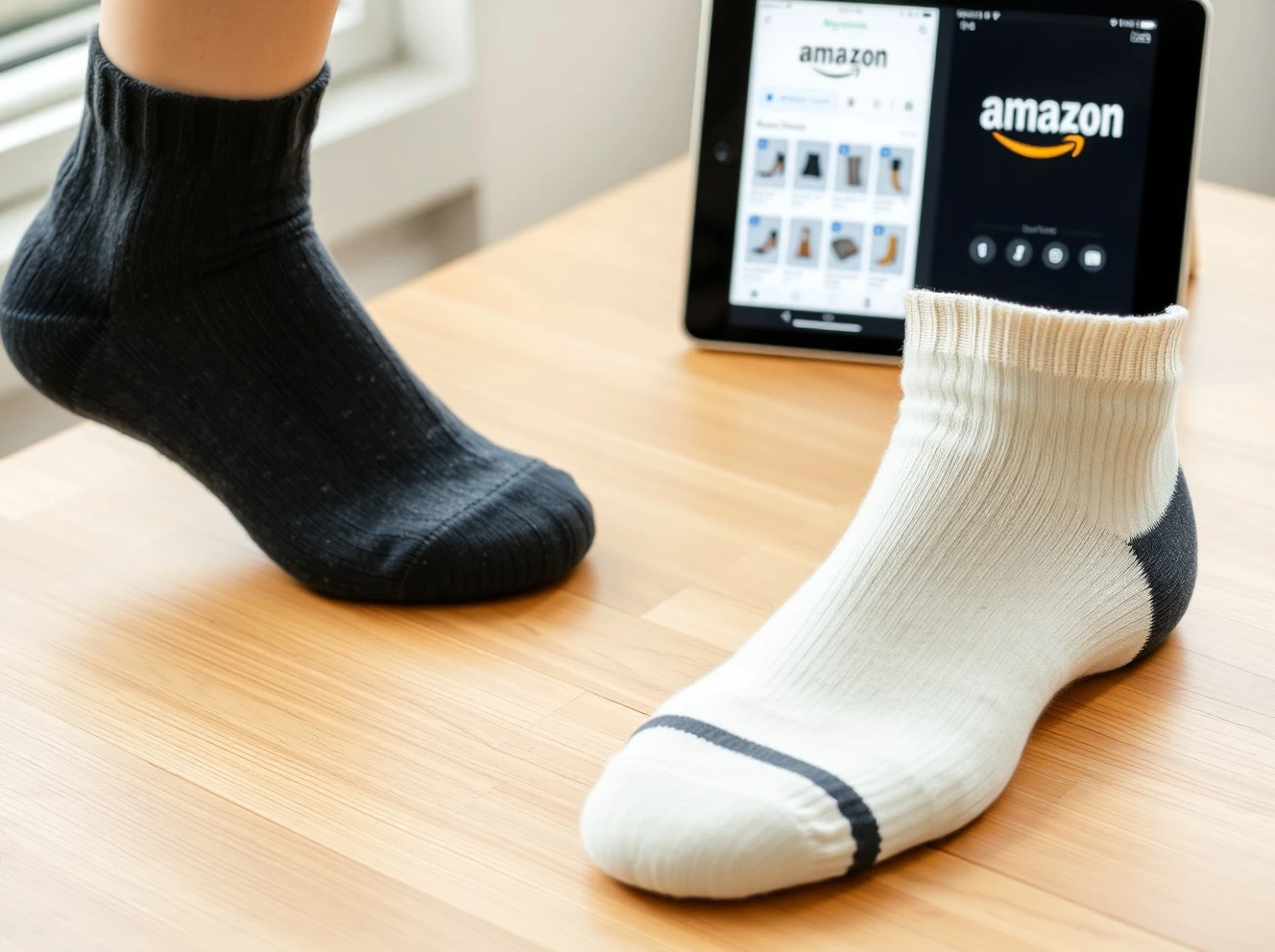
Amazon currently offers a remarkable deal on premium footwear essentials. The retail giant lists a three-pack of Merino wool socks for just $12, presenting significant value in the sustainable apparel market. This price point challenges conventional expectations for quality wool products. Consequently, consumers gain access to durable and stylish basics at an accessible cost. The deal emerges amid broader shifts toward value-conscious and sustainable shopping habits in early 2025.
Analyzing Amazon’s Merino Wool Socks Deal
Amazon’s promotion features a multipack of socks made from Merino wool. This specific wool type originates from Merino sheep, prized for its fine, soft fibers. Traditionally, Merino wool garments command higher prices due to superior material properties. The $12 price for a three-pack establishes a new benchmark for affordability. Market analysts observe this pricing strategy aligns with Amazon’s scale and supply chain efficiency. Furthermore, the deal arrives during seasonal transitions when consumers update their wardrobes.
Merino wool possesses several distinct advantages over synthetic alternatives. Firstly, the material offers excellent temperature regulation. It keeps feet warm in cold conditions and cool in warmer environments. Secondly, Merino wool naturally resists odors due to its moisture-wicking properties. This characteristic reduces washing frequency, extending garment lifespan. Thirdly, the fibers provide inherent durability while maintaining softness against the skin. These functional benefits explain the material’s popularity in performance and everyday wear.
Price Comparison and Market Context
Comparing this offer to market averages reveals its competitive nature. Typically, a single pair of quality Merino wool socks retails between $15 and $30. Specialty outdoor brands often charge even higher prices. Therefore, Amazon’s per-pair cost of approximately $4 represents substantial savings. This pricing likely results from bulk manufacturing and direct sourcing relationships. Industry reports indicate a 20% increase in consumer demand for natural fiber basics since 2023. Amazon’s deal directly responds to this growing market segment.
The Rise of Sustainable and Affordable Basics
The fashion industry undergoes a significant transformation toward sustainability. Consumers increasingly prioritize durable, natural materials over fast fashion synthetics. Merino wool fits perfectly within this trend due to its renewable and biodegradable nature. Sheep regrow their fleece annually, making wool a replenishable resource. Moreover, wool production generally has a lower environmental impact than synthetic fiber manufacturing. This deal makes sustainable choices more accessible to budget-conscious shoppers.
Several factors drive the popularity of wool socks specifically. Firstly, foot health awareness has grown, emphasizing breathable materials. Secondly, remote work culture increased demand for comfortable home attire. Thirdly, travel resurgence boosted interest in versatile, packable clothing items. Wool socks address all these needs effectively. Amazon’s timing capitalizes on these converging lifestyle trends. The offer also demonstrates how major retailers can democratize access to quality sustainable goods.
| Retailer | Product | Price | Price Per Pair |
|---|---|---|---|
| Amazon | 3-pack Merino Wool Socks | $12.00 | $4.00 |
| Specialty Outdoor Store | Single Pair Merino Hiking Socks | $24.99 | $24.99 |
| Department Store | 2-pack Wool Blend Socks | $18.50 | $9.25 |
| Direct-to-Consumer Brand | Single Pair Premium Merino Socks | $29.00 | $29.00 |
Material Science and Wearer Benefits
Textile experts highlight Merino wool’s unique cellular structure. The fibers contain microscopic scales that create insulating air pockets. This structure provides thermal regulation unmatched by cotton or polyester. Additionally, wool can absorb up to 30% of its weight in moisture without feeling damp. This property prevents the clammy sensation common with other materials. The natural elasticity of wool ensures socks maintain their shape through repeated wear and washing. These technical advantages justify wool’s premium positioning in the apparel market.
Consumer Shopping Trends in 2025
Current retail data reveals several patterns influencing this deal’s timing. Firstly, consumers demonstrate increased price sensitivity while maintaining quality expectations. Secondly, multipack purchases grew by 35% in the apparel category during 2024. Thirdly, online searches for “affordable sustainable clothing” increased by 150% year-over-year. Amazon’s algorithm likely identified these trends, prompting the targeted promotion. The company’s vast customer data enables precise identification of emerging demand patterns.
The retail landscape continues evolving post-pandemic. Brick-and-mortar stores now emphasize experiential shopping, while online platforms compete on value and convenience. Amazon’s strategy combines competitive pricing with the convenience of home delivery. This approach particularly resonates for everyday essentials like socks. Furthermore, the company’s review system provides social proof, reducing purchase hesitation. Verified purchase reviews consistently mention durability and comfort as key satisfaction factors for similar wool sock products.
- Value Optimization: Consumers seek maximum quality for minimum expenditure
- Sustainability Priority: Environmental impact influences purchasing decisions more than ever
- Material Awareness: Shoppers educate themselves about fabric properties and origins
- Convenience Demand: Time-pressed buyers appreciate curated deals on essentials
- Seasonal Timing: Early year promotions target resolution-driven shopping behavior
Supply Chain and Pricing Strategy
Amazon’s ability to offer this price stems from sophisticated supply chain management. The company negotiates directly with wool processors and manufacturers, eliminating intermediary markups. Additionally, Amazon’s fulfillment network reduces storage and distribution costs. These efficiencies translate to consumer savings without sacrificing quality margins. Industry analysts note Amazon increasingly uses such deals to attract fashion-conscious shoppers to its apparel vertical. The strategy aims to capture market share from specialty retailers and direct-to-consumer brands.
Conclusion
Amazon’s promotion of durable and stylish Merino wool socks represents more than a simple discount. It reflects broader retail trends toward accessible sustainability and value-driven consumption. The $12 price point for a three-pack makes quality wool socks attainable for diverse consumers. This deal demonstrates how scale and efficiency can benefit shoppers seeking premium materials at reasonable prices. As sustainable fashion evolves, such offers may become increasingly common across the retail landscape. The Amazon Merino wool socks deal ultimately provides practical savings while supporting the shift toward durable, natural fiber clothing.
FAQs
Q1: What makes Merino wool different from regular wool?
Merino wool comes from Merino sheep, producing finer, softer fibers than traditional wool. It lacks the itchiness associated with coarser wools and offers superior temperature regulation and moisture management.
Q2: How should I care for Merino wool socks to ensure durability?
Machine wash cold on gentle cycle with mild detergent. Avoid bleach and fabric softeners. Lay flat to dry or tumble dry low. Proper care maintains wool’s natural properties for years.
Q3: Are these socks suitable for all seasons?
Yes, Merino wool’s natural thermoregulation makes it appropriate year-round. The material wicks moisture in summer and provides insulation in winter, adapting to body temperature and environmental conditions.
Q4: How does this price compare to historical wool sock pricing?
This price represents approximately 60-70% less than traditional retail for comparable Merino wool socks. Advances in sourcing, manufacturing, and direct-to-consumer models enable these savings.
Q5: What sustainability benefits do wool socks offer compared to synthetic alternatives?
Wool is renewable, biodegradable, and requires less frequent washing than synthetics. The production process typically uses fewer chemicals than synthetic fiber manufacturing, reducing environmental impact.