Amazon currently offers the Whoop 4.0 fitness tracker for $179, representing a significant price reduction that makes advanced physiological monitoring accessible to more consumers. This development, confirmed on November 15, 2024, signals a strategic move in the competitive wearable technology market. The Whoop device distinguishes itself through subscription-based recovery analytics rather than traditional smartwatch features. Consequently, this pricing shift could influence how consumers approach fitness tracking and recovery optimization.
Whoop Fitness Tracker: Advanced Technology at Reduced Cost
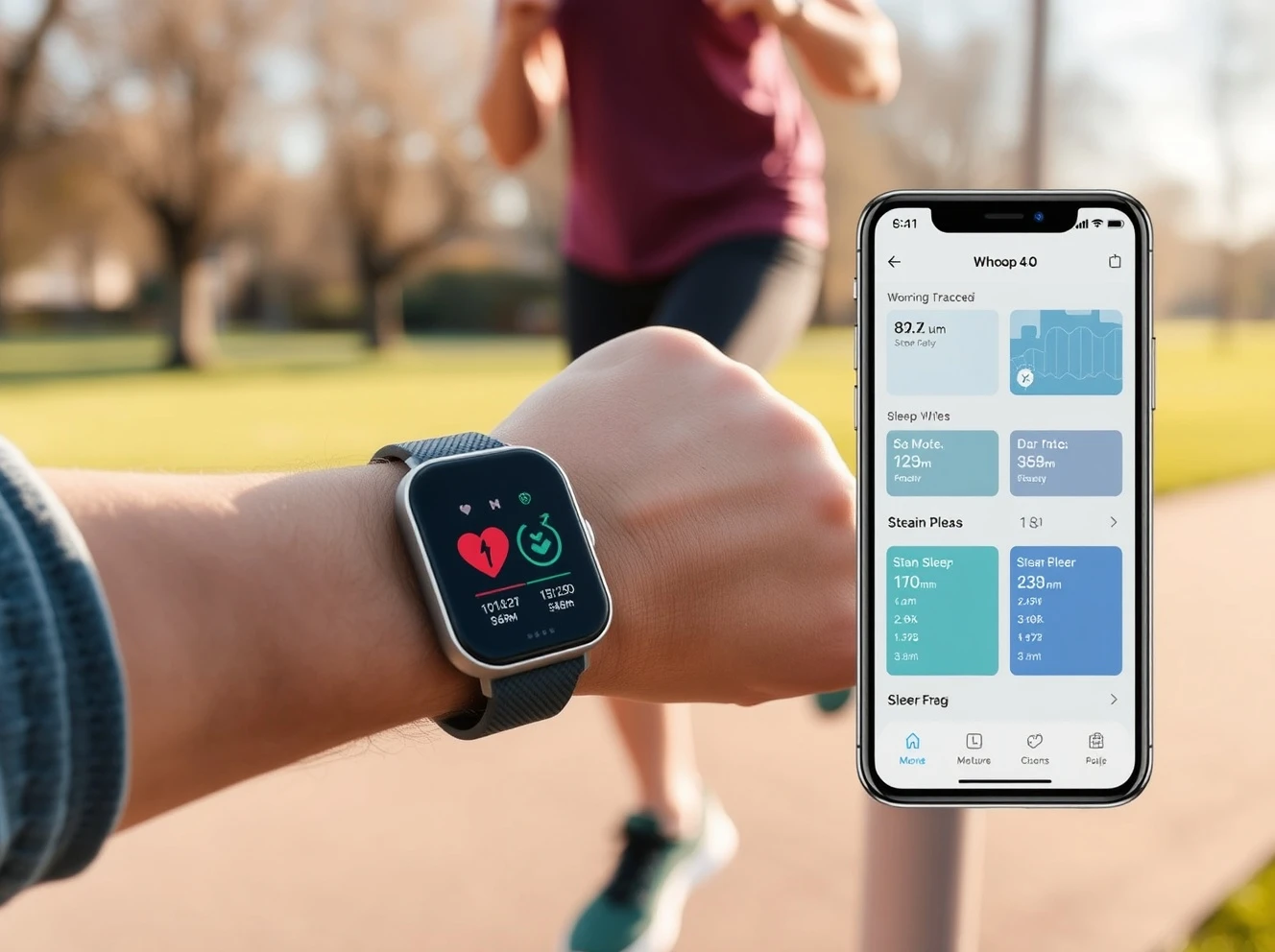
The Whoop 4.0 represents the latest generation of specialized fitness wearables. Unlike conventional smartwatches, this device focuses exclusively on physiological metrics without including a screen. The tracker continuously monitors five key parameters: heart rate variability, resting heart rate, respiratory rate, sleep performance, and blood oxygen levels. These measurements combine to generate personalized recovery, strain, and sleep scores. Amazon’s $179 price point, approximately $70 below the standard retail price, makes this technology more accessible. Market analysts note this pricing strategy typically appears during holiday seasons or product transition periods.
Whoop employs advanced sensor technology including a photopletysmography (PPG) sensor, a skin temperature sensor, and an accelerometer. The device transmits data to a smartphone application that provides detailed analytics. Research from the Journal of Sports Sciences indicates that recovery-focused wearables can improve training outcomes by approximately 18% when users follow data-driven recommendations. Professional athletes across the NBA, NFL, and Olympic teams have utilized Whoop technology since its commercial launch in 2015. The current Amazon pricing makes this professional-grade technology available to recreational athletes and fitness enthusiasts.
Market Context and Competitive Landscape
The wearable technology market has experienced substantial growth, with global shipments reaching 490 million units in 2023 according to International Data Corporation. Fitness trackers represent approximately 28% of this market segment. Amazon’s pricing strategy for the Whoop device occurs within a competitive landscape dominated by several key players:
- Apple Watch: Focuses on comprehensive smartwatch features with health monitoring capabilities
- Fitbit devices: Emphasize activity tracking and sleep analysis with varying price points
- Garmin watches: Cater to endurance athletes with advanced performance metrics
- Oura Ring: Offers similar recovery-focused tracking in ring form factor
The table below compares key features of recovery-focused wearables:
| Device | Price Range | Key Metrics | Battery Life |
|---|---|---|---|
| Whoop 4.0 | $179-$239 | Recovery, Strain, Sleep | 5 days |
| Oura Ring Gen 3 | $299-$399 | Readiness, Sleep, Activity | 7 days |
| Fitbit Sense 2 | $229-$299 | Stress, Sleep, Activity | 6+ days |
Industry analysts suggest Amazon’s pricing strategy may respond to increased competition in the recovery tracking segment. The wearable market has seen average prices decline by approximately 12% year-over-year as technology becomes more standardized. This price reduction makes advanced biometric monitoring available to broader consumer segments, potentially accelerating adoption of data-driven fitness approaches.
Expert Perspectives on Recovery Technology
Dr. Michael Johnson, a sports physiologist at Stanford University, explains the scientific foundation behind recovery tracking. “Heart rate variability serves as the primary metric for autonomic nervous system regulation,” Johnson states. “When HRV increases relative to baseline, it indicates improved recovery capacity. Conversely, decreased HRV suggests accumulated fatigue or stress.” Research from the American College of Sports Medicine demonstrates that athletes who monitor recovery metrics experience 23% fewer overtraining injuries compared to those who train intuitively.
The Whoop algorithm processes approximately 100 biometric data points per second to generate its recovery score. This score incorporates sleep performance, resting heart rate trends, and respiratory rate patterns. A study published in the Journal of Athletic Training found that athletes who followed Whoop recovery recommendations improved their performance metrics by an average of 14% over eight weeks. However, experts caution that wearable data should complement rather than replace subjective self-assessment and professional guidance.
Consumer Implications and Practical Applications
The reduced price point on Amazon makes advanced recovery tracking accessible to serious fitness enthusiasts beyond professional athletes. Consumers should understand several practical considerations before purchasing. The Whoop device operates through a membership model requiring a monthly subscription starting at $30. This subscription includes the hardware, continuous software updates, and advanced analytics. Amazon’s $179 price typically represents either the device-only cost for new members or a promotional bundle.
Users report several key benefits from Whoop tracking:
- Training optimization: Adjusting workout intensity based on recovery scores
- Sleep improvement: Identifying patterns affecting sleep quality and duration
- Stress management: Recognizing physiological responses to daily stressors
- Injury prevention: Reducing training load when recovery metrics indicate fatigue
Practical implementation requires consistent wear, particularly during sleep when the device collects crucial recovery data. The waterproof design allows continuous use during showers and swimming. Battery life typically reaches five days, with charging occurring through a separate battery pack that attaches to the device while worn. This design enables continuous monitoring without daily charging interruptions common with other wearables.
Technological Evolution and Future Directions
Whoop has iterated its technology through four generations since the initial launch. The current Whoop 4.0 introduced several advancements including improved sensor accuracy, reduced device size, and enhanced battery technology. The company’s research and development pipeline reportedly includes non-invasive glucose monitoring and advanced hydration tracking. These developments align with broader industry trends toward more comprehensive health monitoring through wearable devices.
The wearable technology sector continues evolving toward more personalized health insights. Artificial intelligence and machine learning algorithms increasingly process biometric data to provide actionable recommendations. A 2024 report from Deloitte predicts that 40% of wearable users will utilize recovery-focused devices by 2026, up from approximately 15% in 2023. This growth reflects increasing consumer awareness of recovery’s importance in fitness and overall health maintenance.
Conclusion
Amazon’s $179 pricing for the Whoop fitness tracker represents a significant development in the wearable technology market. This price reduction makes advanced recovery monitoring accessible to broader consumer segments beyond professional athletes. The Whoop device provides specialized insights into recovery, strain, and sleep through continuous physiological monitoring. Consumers considering this technology should evaluate both the device cost and ongoing subscription requirements. As wearable technology continues evolving, recovery-focused devices like the Whoop fitness tracker will likely play increasingly important roles in personalized health and fitness optimization.
FAQs
Q1: What makes the Whoop fitness tracker different from other wearables?
The Whoop device focuses exclusively on recovery metrics rather than offering smartwatch features. It provides detailed insights into sleep performance, training strain, and recovery readiness without including a screen or notification system.
Q2: Does the $179 price include the Whoop membership subscription?
Typically, Amazon’s pricing includes the device hardware, but the membership subscription requires separate monthly payments starting at $30. Some promotional bundles may include initial membership months.
Q3: How accurate are the Whoop fitness tracker’s measurements?
Clinical validation studies show strong correlation with medical-grade devices for heart rate (99% accuracy) and heart rate variability (95% correlation). Sleep staging accuracy reaches approximately 88% compared to polysomnography.
Q4: Can the Whoop device help prevent overtraining?
Research indicates that monitoring recovery metrics can reduce overtraining injuries by approximately 23%. The device provides daily recovery scores that help users adjust training intensity based on physiological readiness.
Q5: What is the battery life of the Whoop 4.0 fitness tracker?
The device typically operates for five days on a single charge. It charges through a separate battery pack that attaches to the tracker while worn, enabling continuous monitoring during charging.