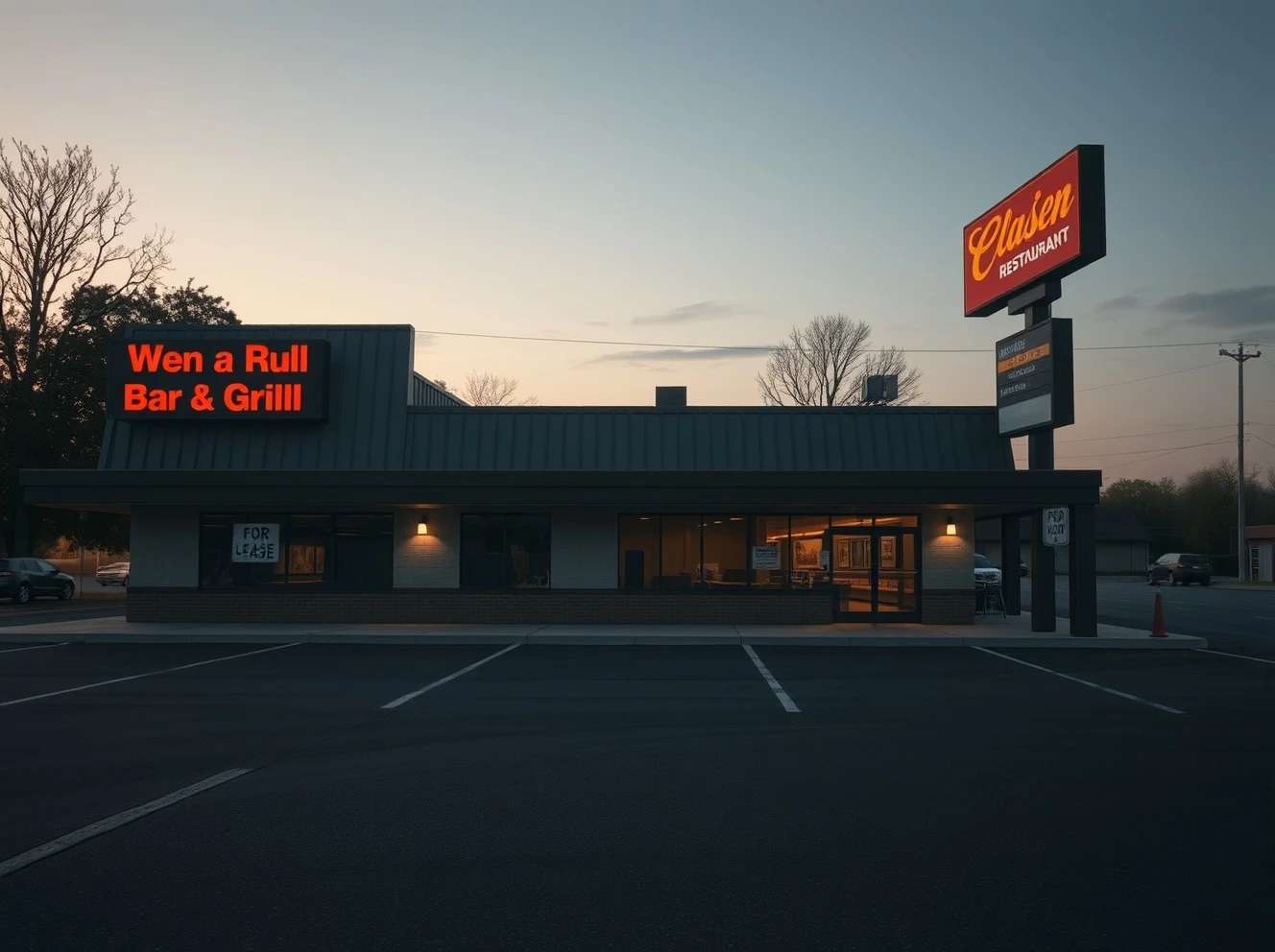
In a strategic move reflecting broader industry pressures, a 26-year-old bar and grill chain has shuttered one of its locations without filing for bankruptcy, signaling a calculated response to evolving market conditions rather than financial distress. This closure, confirmed in late 2024, represents a growing trend where established restaurant brands optimize their portfolios through selective location exits. Industry analysts immediately noted the significance of this non-bankruptcy closure, which contrasts sharply with the wave of Chapter 11 filings that swept the casual dining sector in previous years. The decision highlights a mature approach to portfolio management amid shifting consumer preferences and operational challenges. Consequently, this event provides a valuable case study in contemporary restaurant business strategy.
Bar and Grill Chain Closes: Analyzing the Strategic Decision
The closure of this particular bar and grill location follows a comprehensive review of the chain’s overall performance metrics. Management conducted a detailed analysis of foot traffic, sales per square foot, and local market demographics before making the final decision. Importantly, the company emphasized that this move does not indicate systemic financial trouble. Instead, it represents a proactive adjustment to their physical footprint. Restaurant industry experts point to several contributing factors for such closures, including rising labor costs, increased competition from fast-casual concepts, and changing dining habits. Furthermore, the post-pandemic landscape has forced many full-service restaurants to reevaluate their real estate commitments. This closure, therefore, fits within a broader pattern of strategic retrenchment.
Comparatively, the chain’s decision to avoid bankruptcy proceedings distinguishes it from numerous peers. Over the past decade, several well-known casual dining brands have utilized Chapter 11 protection to renegotiate leases and debt. This chain, however, appears financially stable enough to absorb the closure costs directly. The move likely involved negotiating an exit from the lease, potentially paying a termination fee, and relocating or severing staff. Financial disclosures from similar public companies show that such one-time charges are often treated as restructuring costs. They typically aim to improve long-term profitability by exiting underperforming units. This strategic closure, therefore, may strengthen the company’s overall financial health by removing a drag on earnings.
Expert Insight: The Economics of Restaurant Portfolio Management
Dr. Alisha Chen, a hospitality industry economist at the Cornell University School of Hotel Administration, provides context for this trend. “When a mature chain closes a single location without bankruptcy, it’s often a sign of disciplined capital allocation,” Chen explains. “They are likely reallocating resources to higher-performing markets or investing in digital and off-premise channels. The key metric to watch is same-store sales growth for the remaining locations.” Chen’s research indicates that successful chains routinely prune 1-3% of their weakest locations annually. This practice maintains system-wide health. The closure in question appears consistent with this best-practice model. It suggests management is focusing on core markets with stronger demographics and lower competitive intensity.
Restaurant Location Closure Trends in the Casual Dining Sector
The casual dining industry has faced significant headwinds for nearly a decade. Consumer spending patterns have shifted toward convenience and value. The rise of food delivery apps has also changed the competitive landscape. Consequently, many bar and grill chains have reduced their physical presence. The following table illustrates the closure trends among major casual dining chains from 2020 to 2024:
| Chain Type | Avg. Annual Closures (2020-2024) | Primary Stated Reason |
|---|---|---|
| Legacy Bar & Grill | 2.5% of units | Lease expirations & underperformance |
| Fast-Casual Competitors | 1.2% of units | Market saturation & relocation |
| Family Dining | 3.1% of units | Demographic shifts & rising costs |
Notably, closure rates spiked immediately following the pandemic but have since moderated. Chains now focus on optimizing their remaining portfolios. They often invest in remodeling existing locations rather than expanding. The bar and grill segment faces particular challenges due to its large footprint and reliance on alcohol sales. Changing social habits and increased scrutiny of drunk driving have impacted this revenue stream. Additionally, food costs for traditional grill items like beef have risen sharply. These factors combine to pressure margins, making some locations economically unviable. The closure decision, therefore, likely resulted from a complex financial model projecting future profitability.
No Bankruptcy Filing: What This Signals About Financial Health
The absence of a bankruptcy filing accompanying this closure provides crucial insights into the chain’s financial position. Bankruptcy protection, particularly Chapter 11, offers legal tools to break leases and restructure debt. However, it also carries significant costs and reputational damage. A company that can close a location without bankruptcy typically demonstrates several strengths:
- Strong balance sheet: Sufficient liquidity to cover closure costs and potential lease obligations.
- Operational flexibility: Ability to negotiate directly with landlords and suppliers.
- Strategic foresight: Proactive management rather than reactive crisis response.
Industry financial reports support this analysis. Publicly traded restaurant companies often highlight “unit-level profitability” as a key metric. Closing a single underperforming location can immediately boost this average. It also frees up management attention and capital for more promising initiatives. For instance, many chains are currently investing in technology upgrades, enhanced takeout capabilities, and kitchen automation. The resources saved from operating a marginal location can fund these innovations. Therefore, a non-bankruptcy closure often precedes a period of investment in the remaining business. It represents a strategic pivot rather than a retreat.
The Local Impact: Employees, Community, and Commercial Real Estate
Beyond corporate strategy, a restaurant closure significantly affects its immediate ecosystem. Employees face job displacement, though chains often attempt transfers to other locations. The local community loses a gathering place, potentially creating a vacancy in a shopping center. Commercial real estate brokers then must find a new tenant, which can be challenging for large restaurant spaces. Historical data suggests that former casual dining locations frequently convert to medical offices, fitness centers, or smaller multi-tenant retail. The closure process itself typically involves several phases: a confidential decision, employee notifications, a final operating period, and physical decommissioning. Responsible chains also engage with local vendors to settle outstanding accounts. This comprehensive wind-down process underscores the operational complexity behind a single closure announcement.
Future Outlook for Bar and Grill Chains and Industry Adaptation
The bar and grill segment is not disappearing but evolving. Successful chains are adapting their menus, store designs, and service models. Many are reducing seating capacity to allocate more space for takeout and delivery order staging. Others are introducing smaller-format locations in urban areas. The core value proposition of casual, full-service dining remains appealing to a significant customer base. However, the economic model requires continual adjustment. Industry analysts predict further consolidation, with stronger brands acquiring weaker ones. They also foresee increased investment in customer loyalty programs and data analytics. These tools help chains understand shifting preferences and optimize marketing. The closure of a single location, therefore, is one piece of a larger transformation. It reflects an industry maturing and adapting to a new competitive era.
Conclusion
The closure of a 26-year-old bar and grill chain location without a bankruptcy filing represents a strategic, data-driven business decision. It highlights the ongoing evolution within the casual dining sector as companies optimize their portfolios for changing market conditions. This move demonstrates financial discipline and a focus on long-term viability rather than short-term distress. As the industry continues to adapt to consumer demands and economic pressures, such calculated adjustments will likely become more common. The bar and grill chain closes underperforming units to strengthen its overall system, ensuring it remains competitive in a challenging landscape. Ultimately, this closure serves as a case study in proactive restaurant management and strategic resource allocation.
FAQs
Q1: Why would a bar and grill chain close a location without filing for bankruptcy?
A chain typically closes a single location without bankruptcy when that specific unit is underperforming, but the overall company remains financially healthy. This allows for a strategic exit from a poor lease or market without the legal complexity and reputational cost of bankruptcy proceedings.
Q2: What usually happens to employees when a restaurant location closes?
Employees are often given advance notice as required by law. Larger chains may offer transfer opportunities to other nearby locations. They typically provide information about unemployment benefits and may offer severance packages based on tenure and company policy.
Q3: How does a closure affect the local community and economy?
A closure removes jobs, reduces local tax revenue, and can create a vacant storefront that may affect nearby businesses. However, it may also create an opportunity for a new business to occupy the space, potentially bringing a different concept that better suits current community demand.
Q4: What are the main reasons a bar and grill location becomes unprofitable?
Common reasons include declining foot traffic, unfavorable lease terms, rising labor and food costs, increased local competition, demographic shifts in the neighborhood, and changes in consumer dining preferences away from traditional casual dining.
Q5: Does closing a location usually mean the entire chain is in trouble?
Not necessarily. Healthy restaurant chains routinely close underperforming locations as part of normal portfolio management. Trouble is indicated when closures are widespread, accompanied by bankruptcy filings, or paired with declining same-store sales across the entire system.