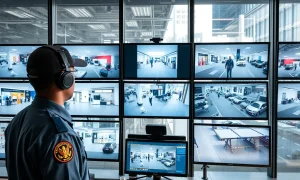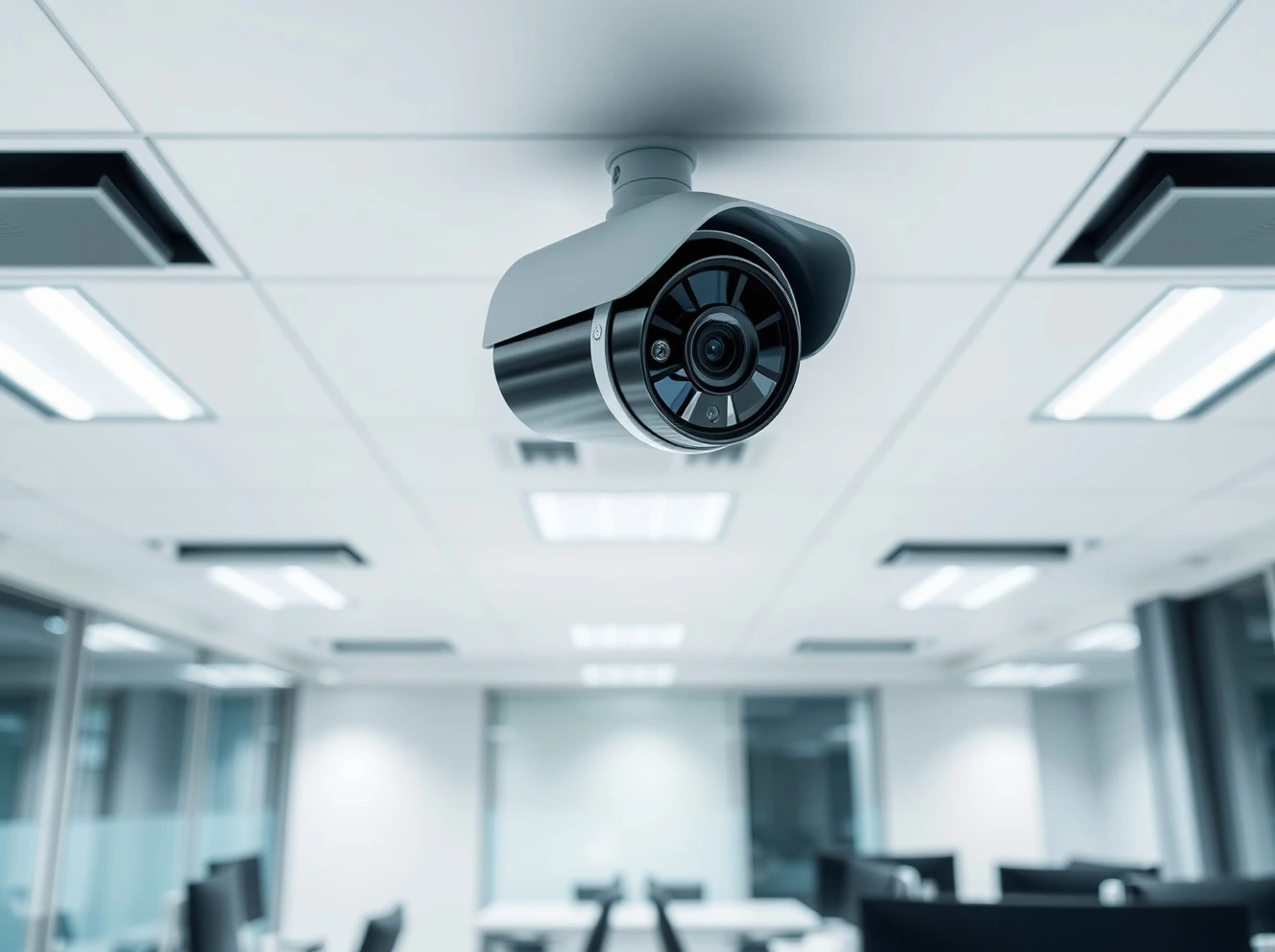
As workplace security concerns continue evolving in 2025, businesses across North America and Europe are investing significantly in advanced surveillance technology. According to recent market analysis from Security Industry Association reports, commercial security camera adoption has increased by 34% since 2023, driven by both theft prevention needs and liability protection requirements. This comprehensive guide examines nine leading security camera systems specifically designed for office environments, analyzing their technical capabilities, installation considerations, and compliance with current data protection regulations.
Evaluating Modern Office Security Camera Systems
Modern office surveillance requires balancing multiple factors beyond basic video capture. Security professionals emphasize that effective systems must address privacy regulations, network security, and operational efficiency simultaneously. The European Union’s updated GDPR guidelines and various state-level privacy laws in the United States have fundamentally changed how businesses implement surveillance. Consequently, companies now prioritize systems offering encrypted data transmission, access controls, and audit trails alongside traditional security features.
Technical Evolution in Business Surveillance
Security camera technology has advanced dramatically since 2020, with artificial intelligence integration becoming standard rather than exceptional. Current systems typically feature intelligent motion detection that distinguishes between human movement, vehicles, and environmental changes. Furthermore, video analytics now provide valuable business intelligence beyond security, tracking occupancy patterns and workflow efficiency. Industry experts from the International Security Conference note that these dual-purpose capabilities have increased return on investment for many organizations.
Comprehensive Analysis of Leading Security Providers
Each security provider offers distinct advantages depending on office size, industry requirements, and technical infrastructure. The following analysis presents detailed comparisons based on extensive market research and installation data from commercial security integrators.
Kirbtech: Integrated Business Solutions
Kirbtech distinguishes itself through comprehensive service integration rather than standalone camera sales. The company specializes in supporting professional service firms including accounting practices, legal offices, and financial institutions. Their approach begins with complimentary security assessments that evaluate both physical surveillance needs and network vulnerabilities. Kirbtech’s managed IT services integrate seamlessly with their security offerings, creating unified systems that address multiple business technology requirements simultaneously.
Notably, their fiber-optic network implementations provide exceptional bandwidth for high-resolution video transmission without compromising other business applications. Security consultants frequently recommend this integrated approach for businesses handling sensitive client information, as it ensures consistent security protocols across all technology platforms.
Eufy: Privacy-Focused Surveillance
Eufy has gained significant market share by addressing growing privacy concerns through local storage solutions. Their systems operate without mandatory cloud subscriptions, storing footage directly on encrypted local devices. This architecture appeals particularly to businesses subject to strict data sovereignty regulations or those operating in regions with unreliable internet connectivity. The company’s 360-degree coverage cameras provide comprehensive monitoring for open office layouts, while their discreet indoor units maintain professional aesthetics.
Industry analysts observe that Eufy’s lifetime customer support represents exceptional value for long-term installations. Their weather-resistant outdoor cameras have demonstrated reliability across diverse climate conditions according to independent testing laboratories.
Arlo: Advanced Detection Capabilities
Arlo’s professional monitoring services distinguish their offerings for businesses requiring 24/7 security oversight. The Arlo Secure platform integrates fire and environmental detection alongside traditional surveillance, creating multi-threat protection systems. Their ultra-clear 4K options provide forensic-level detail that proves valuable for incident investigation and liability documentation. Many legal professionals specifically recommend this level of detail for premises liability protection.
The company’s solar panel compatibility addresses sustainability concerns while reducing installation complexity in locations without convenient power access. Recent firmware updates have enhanced their AI detection algorithms to reduce false alarms from environmental factors by approximately 40% according to internal testing data.
Comparative Analysis of Key Features
The following table summarizes essential characteristics across all nine providers, based on technical specifications, customer feedback analysis, and professional installer surveys conducted throughout 2024.
| Provider | Primary Advantage | Ideal Office Size | Data Storage Approach | AI Capabilities |
|---|---|---|---|---|
| Kirbtech | Integrated business systems | Small to midsize | Cloud-based with VPN | Network security focus |
| Eufy | Privacy protection | All sizes | Local encrypted storage | Basic motion detection |
| Arlo | Professional monitoring | Medium to large | Cloud with local backup | Advanced threat detection |
| Lorex | App ecosystem | Medium to enterprise | Hybrid options | Person/vehicle recognition |
| Backstreet Surveillance | Advanced analytics | All business sizes | Local NVR systems | Facial recognition |
| AvaloniX | Cost efficiency | Small businesses | Local DVR storage | Basic recording |
| Blink | Ease of use | Small offices | Cloud or local options | Customizable detection |
| ADT | Comprehensive security | All business sizes | Professional monitoring centers | Integrated system AI |
| Night Owl | Contract flexibility | Small to medium | Local with cloud backup | Smart alert systems |
Installation Considerations for Modern Offices
Proper installation significantly impacts system effectiveness and regulatory compliance. Security professionals emphasize several critical factors:
- Network Infrastructure Assessment: High-resolution cameras require substantial bandwidth, potentially impacting other business applications without proper network planning.
- Privacy Zone Configuration: Modern systems allow masking of sensitive areas like restrooms or private offices to maintain employee privacy while monitoring public spaces.
- Lighting Conditions Analysis: Office environments present unique lighting challenges with mixed natural and artificial light sources throughout the day.
- Access Control Integration: Leading systems integrate with electronic access controls, creating comprehensive security ecosystems.
- Compliance Documentation: Proper signage and policy documentation ensure adherence to local surveillance regulations.
Expert Recommendations for Implementation
Security consultants consistently recommend phased implementations beginning with critical areas. Entry points, server rooms, and high-value equipment locations typically receive priority. Subsequent phases expand coverage based on incident analysis and risk assessment findings. Regular system testing and employee training ensure optimal performance and appropriate usage.
Future Trends in Office Security Technology
Emerging technologies will further transform office security systems throughout 2025 and beyond. Predictive analytics utilizing machine learning algorithms will identify unusual patterns before incidents occur. Additionally, integration with building management systems will enable automated responses to security events, such as locking specific areas or alerting designated personnel.
Cybersecurity considerations continue gaining importance as cameras become network-connected devices. Manufacturers increasingly implement regular security patches and encrypted communication protocols to address these concerns. The convergence of physical and digital security represents the most significant trend affecting system selection and implementation strategies.
Conclusion
Selecting appropriate office security camera systems requires careful evaluation of technical capabilities, business requirements, and regulatory considerations. The nine providers analyzed offer distinct advantages for different organizational contexts, from integrated business solutions to privacy-focused standalone systems. As workplace security needs continue evolving, businesses must prioritize systems offering flexibility, compliance features, and professional support. Ultimately, effective surveillance enhances both security and operational efficiency when implemented thoughtfully and transparently.
FAQs
Q1: What are the legal requirements for installing security cameras in office spaces?
Legal requirements vary significantly by jurisdiction but generally include proper notification of surveillance, restrictions on monitoring private areas like restrooms, and data protection compliance. Businesses should consult legal professionals familiar with local employment and privacy laws before installation.
Q2: How much bandwidth do modern office security camera systems typically require?
Bandwidth requirements depend on camera resolution, compression technology, and recording settings. A single 4K camera using H.265 compression typically requires 8-12 Mbps for continuous recording, while motion-activated recording reduces bandwidth usage substantially during inactive periods.
Q3: Can office security cameras integrate with existing access control systems?
Many modern security camera systems offer integration capabilities with leading access control platforms through standardized protocols like ONVIF. This integration creates comprehensive security ecosystems that correlate video footage with access events.
Q4: What maintenance do office security camera systems require?
Regular maintenance includes lens cleaning, firmware updates, storage system monitoring, and periodic testing of all components. Professional maintenance contracts typically cover these services, ensuring system reliability and optimal performance.
Q5: How long should office security camera footage be retained?
Retention periods depend on industry regulations and organizational policies, typically ranging from 30 to 90 days for general surveillance. Specific incidents may require longer preservation for investigative or legal purposes, necessitating proper archiving procedures.