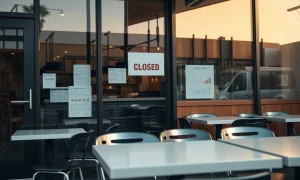
The retail world has been shaken by the unfolding Container Store bankruptcy, a crisis that has forced hundreds of vendors into a harsh and unprecedented payment ultimatum. Once celebrated for its niche leadership in organizational products and home storage solutions, The Container Store is now battling severe liquidity issues, collapsing sales, and massive operational strain.
As the company attempts to restructure under intense financial pressure, suppliers are being pushed into a corner—forced to accept delayed payments, renegotiate contracts under unfavorable terms, or risk losing their long-standing business partnerships altogether. This bankruptcy isn’t just a corporate failure; it’s a ripple effect threatening manufacturers, logistics partners, and retail workers across the supply chain.
Container Store Bankruptcy: What Really Happened?
The Container Store bankruptcy didn’t occur overnight. It was the result of years of challenges:
- Declining foot traffic across retail stores
- Rising operational and supply chain costs
- Shrinking discretionary consumer spending
- Increased competition from Amazon, Walmart, and discount retailers
- Heavy debt burdens limiting flexibility
- Slow adaptation to e-commerce growth
The combination of these pressures pushed the company into a financial tailspin, forcing management to consider restructuring as the only viable path forward.
The weakening macroeconomic environment has also added pressure to retailers across the U.S. To see how broader financial instability contributes to collapses like this, read:
➡ Stock Market Economic Realities Warning
Vendors Face Harsh Payment Ultimatums
The most controversial part of the Container Store bankruptcy involves the ultimatum issued to vendors. According to multiple reports, the company has informed suppliers that they must choose between:
1. Accepting delayed payments
Payouts could be pushed back months—or even longer—depending on cash flow.
2. Renegotiating contracts at reduced rates
Vendors may be required to accept lower margins or adjusted terms.
3. Terminating the partnership entirely
Some vendors have already cut ties, unwilling to accept the financial strain.
4. Continuing to ship goods without guaranteed payment
A significant risk, especially for small businesses.
Suppliers are calling the ultimatum “one-sided,” “unfair,” and “financially impossible,” especially for smaller vendors who rely heavily on The Container Store for revenue.
Why This Ultimatum Is More Severe Than Past Retail Bankruptcies
Retail bankruptcies happen—but the Container Store bankruptcy is uniquely harsh for suppliers.
Key reasons:
- The company’s inventory is niche and expensive
- Vendors often rely on The Container Store for brand exposure
- Many suppliers have long-standing partnerships dating back decades
- Payment delays can trigger cash shortages for small manufacturers
- The retailer’s ongoing losses offer no clear timeline for recovery
This situation mirrors challenges faced by other distressed companies but with a deeper dependency loop between retailer and vendor.
For example, similar competitive pressures were seen in the Carvana–Amazon disruption scenario:
➡ Carvana Stock Amazon Competition
How the Bankruptcy Is Impacting Inventory and Supply Chains
The bankruptcy is already causing major disruptions:
- Reduced product variety in stores
- Supply shortages during high-demand seasons
- Longer restocking delays
- Manufacturers pausing shipments
- Increased reliance on alternative suppliers
Some vendors have frozen partnerships entirely, fearing unsustainable financial risk.
Consumer Confidence Is Dropping
Shoppers are increasingly hesitant to buy from businesses undergoing bankruptcy:
- Concerns about return policies
- Fears of future store closures
- Worries about limited warranties
- Declining product availability
Retail analysts warn that declining consumer trust could accelerate the company’s downturn.
Management’s Plan: Can The Container Store Survive?
The company’s turnaround plan reportedly includes:
- Debt restructuring
- Possible store closures
- Reduced marketing budgets
- Streamlined product categories
- Increased focus on e-commerce
- Aggressive cost-cutting across all departments
However, critics argue the plan relies too heavily on optimistic future performance without addressing core structural issues.
To compare with another major turnaround attempt in tech, see:
➡ SoftBank & Intel Turnaround Strategy
Will Vendors Support the Turnaround?
Vendor cooperation is critical. But many are skeptical:
- Smaller suppliers may not survive delayed payments
- Overseas manufacturers are refusing new shipments
- Domestic vendors are raising prices to offset risk
- Some are seeking new retail partners instead
If vendors withdraw support, the turnaround could collapse entirely.
Impact on Employees and Store Operations
The bankruptcy is also hitting workers hard:
- Reduced store hours
- Lower inventory leading to decreased commissions
- Hiring freezes
- Potential layoffs during restructuring
- Increased operational pressure
Employee morale is reportedly at an all-time low.
Analyst Outlook: A Tough Road Ahead
Experts remain divided on whether the Container Store bankruptcy can be resolved successfully.
Optimists argue:
- The brand still has strong customer loyalty
- Specialty retail can survive with leaner operations
- E-commerce expansion could offset store losses
Pessimists highlight:
- Debt remains too high
- Vendor confidence is collapsing
- Supply chain instability could worsen
- Competitors offer cheaper alternatives
The company is navigating a narrowing path with significant obstacles.
Conclusion
The Container Store bankruptcy represents one of the most consequential retail collapses in recent years. With vendors facing brutal payment ultimatums, inventory tightening, and customer trust waning, the company’s future remains uncertain. Whether this restructuring becomes a successful turnaround or accelerates a downward spiral will depend largely on vendor cooperation and management’s ability to execute a realistic, sustainable strategy.
As the retail landscape shifts rapidly, one thing is clear: The Container Store faces the most challenging chapter in its history—and the outcome will shape the future of its entire supply chain.