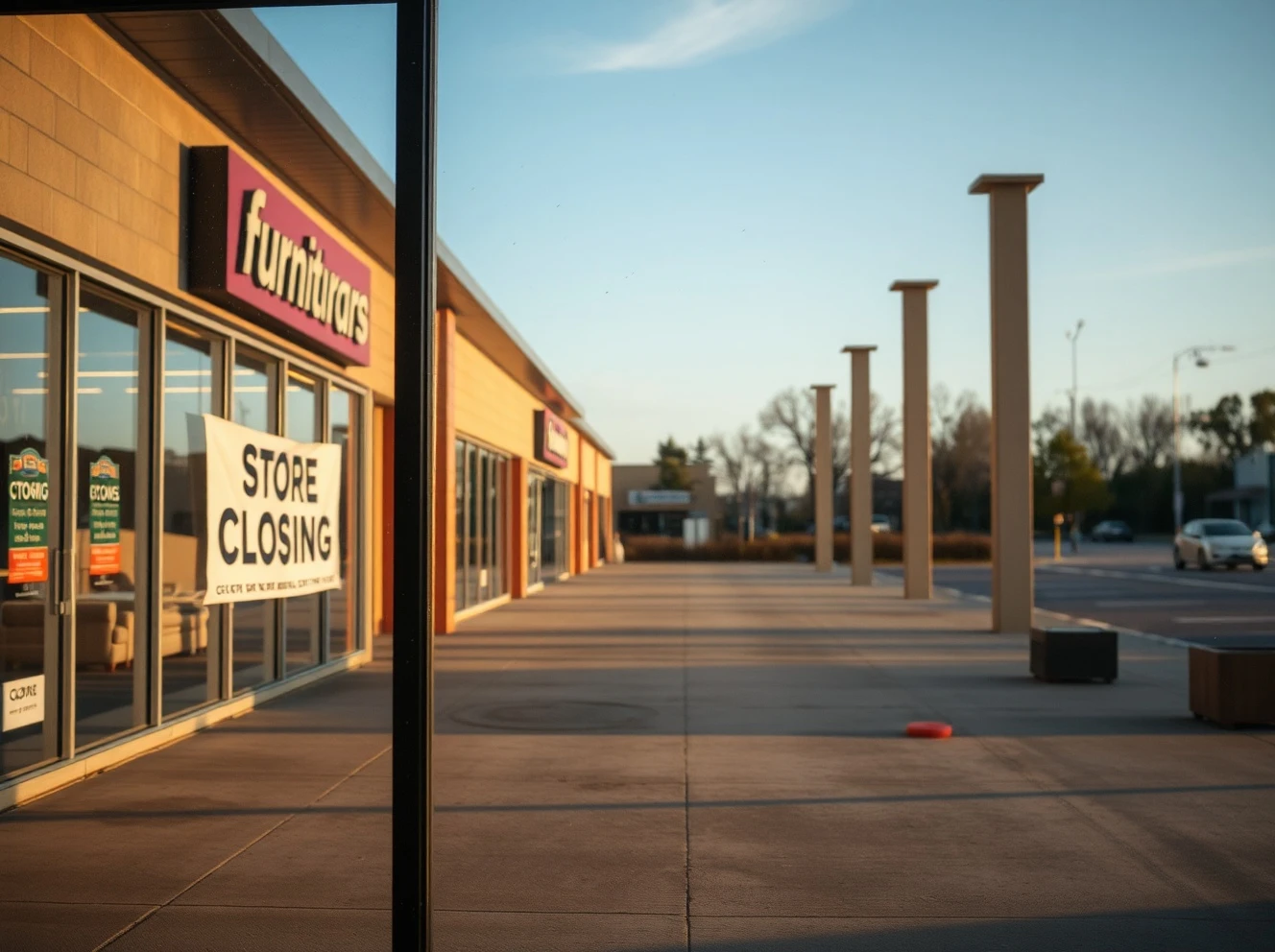
After 73 years of serving communities across multiple states, a beloved furniture retailer has announced the permanent closure of all its physical stores, leaving loyal customers heartbroken and marking another significant shift in the American retail landscape. This development represents not just a business failure but the end of a multi-generational shopping tradition for thousands of families who relied on the chain for quality home furnishings.
Furniture Chain Closes Stores After Seven Decades
The announcement came suddenly last week, surprising both employees and long-time patrons. Management cited several converging factors for the decision, including changing consumer habits, supply chain disruptions, and unsustainable operational costs. Consequently, the company will shutter all 42 locations across eight states by the end of the current quarter. This closure follows a troubling trend in the home furnishings sector, where several established brands have struggled to adapt to digital transformation and economic pressures.
Founded in 1952 as a single-family furniture workshop, the chain expanded steadily through the 1970s and 1980s. It built its reputation on quality craftsmanship and personalized customer service. Many locations became community fixtures, often sponsoring local sports teams and participating in charity events. For decades, families purchased their first dining sets, bedroom furniture, and living room arrangements from these stores, creating emotional connections that transcend ordinary retail transactions.
Customer Reactions and Community Impact
Long-time customers have expressed profound disappointment across social media platforms and local news outlets. Many describe the stores as integral to their family traditions, where multiple generations shopped for milestone purchases. “We bought our daughter’s crib here 30 years ago, and now she was shopping for her first apartment,” shared one customer in online comments. “It feels like losing a piece of our family history.”
The closures will affect approximately 850 employees directly, with additional impact on delivery personnel, warehouse staff, and local service providers. Economic analysts project the shutdown will create ripple effects throughout local economies, particularly in smaller communities where the stores served as anchor tenants in shopping centers. Furthermore, remaining gift cards and outstanding orders present immediate concerns for customers who made recent purchases.
Retail Industry Transformation Analysis
Industry experts point to several structural changes contributing to these closures. The furniture retail sector has faced unprecedented challenges in recent years, including:
- E-commerce competition: Online retailers capture increasing market share
- Supply chain costs: International shipping and material prices have soared
- Consumer preferences: Younger buyers favor convenience and digital experiences
- Real estate expenses: Commercial lease rates continue rising in many markets
According to retail analysts, traditional furniture stores must now compete with both online giants and direct-to-consumer brands that operate with lower overhead. The pandemic accelerated these trends, permanently altering how consumers research and purchase home furnishings. Many buyers now prefer browsing online, using augmented reality tools to visualize products in their homes before committing to purchases.
Historical Context of Retail Closures
This furniture chain joins a growing list of established retailers that have ceased operations in recent years. The table below illustrates similar closures in the home goods sector since 2020:
| Retailer | Years in Business | Store Count | Primary Factors |
|---|---|---|---|
| Example Furniture Co. | 65 | 38 | Digital transition failure |
| Home Traditions Inc. | 48 | 27 | Supply chain collapse |
| Classic Living Stores | 52 | 31 | Real estate costs |
These patterns reveal systemic challenges rather than isolated business failures. Retail analysts note that companies founded in the mid-20th century often struggle with legacy systems, physical infrastructure investments, and organizational cultures resistant to digital transformation. Meanwhile, newer competitors launch with cloud-based operations, flexible workforce models, and data-driven customer insights from their inception.
Employee Transition and Support Programs
The company has announced limited transition assistance for affected workers, including severance packages based on tenure and partnerships with local career services. However, many employees express concerns about finding comparable positions in their communities, particularly those with specialized skills in furniture sales and design consultation. Community colleges and workforce development agencies have begun organizing job fairs specifically for displaced retail workers from this and other recent closures.
Several former managers report receiving interest from competing retailers, but positions often come with reduced benefits or require relocation. The human impact extends beyond immediate job loss, affecting healthcare coverage, retirement planning, and family stability. Economic development officials in affected regions are monitoring the situation closely, as retail employment represents a significant portion of local service sector jobs.
Consumer Protection and Outstanding Orders
State consumer protection agencies have issued guidance for customers with pending orders or unused gift cards. Regulations vary by jurisdiction, but generally prioritize customers with paid deposits or undelivered merchandise. The company has established a dedicated customer service line and online portal to address these concerns, though response times have reportedly been slow due to high volume.
Industry observers recommend that affected customers document all communications and maintain records of purchases. Many credit card companies offer purchase protection for undelivered goods, and some state laws provide additional recourse through consumer protection funds. Legal experts suggest that customers act promptly rather than waiting for resolution, as bankruptcy proceedings could complicate claims.
Conclusion
The permanent closure of this 73-year-old furniture chain closes stores marks a significant moment in retail history, reflecting broader transformations in consumer behavior and business economics. While customers mourn the loss of a trusted retailer, industry analysts see this development as part of an ongoing evolution in how Americans furnish their homes. The furniture chain closes stores not from a single failure but from the cumulative pressure of digital disruption, economic shifts, and changing expectations. This event serves as both a cautionary tale for traditional retailers and a milestone in the continuous reshaping of American commerce.
FAQs
Q1: Why did the furniture chain decide to close all stores?
The company cited multiple factors including changing consumer shopping habits, increased competition from online retailers, rising operational costs, and supply chain challenges that made the traditional store model unsustainable.
Q2: What should customers do if they have outstanding orders or gift cards?
Customers should contact the company’s dedicated customer service line immediately, document all communications, and check with their credit card companies about purchase protection. State consumer protection agencies may provide additional guidance based on local regulations.
Q3: How many employees are affected by these closures?
Approximately 850 employees across 42 locations will lose their positions. The company has announced limited transition assistance including severance packages based on tenure.
Q4: Are there similar furniture retailers facing the same challenges?
Yes, several established furniture retailers have closed in recent years due to similar pressures including digital competition, supply chain issues, and changing consumer preferences toward online shopping.
Q5: What does this closure indicate about the future of furniture retail?
This development suggests that traditional brick-and-mortar furniture retailers must adapt significantly to survive, likely through omnichannel strategies, enhanced digital experiences, and more flexible business models that reduce physical footprint costs.