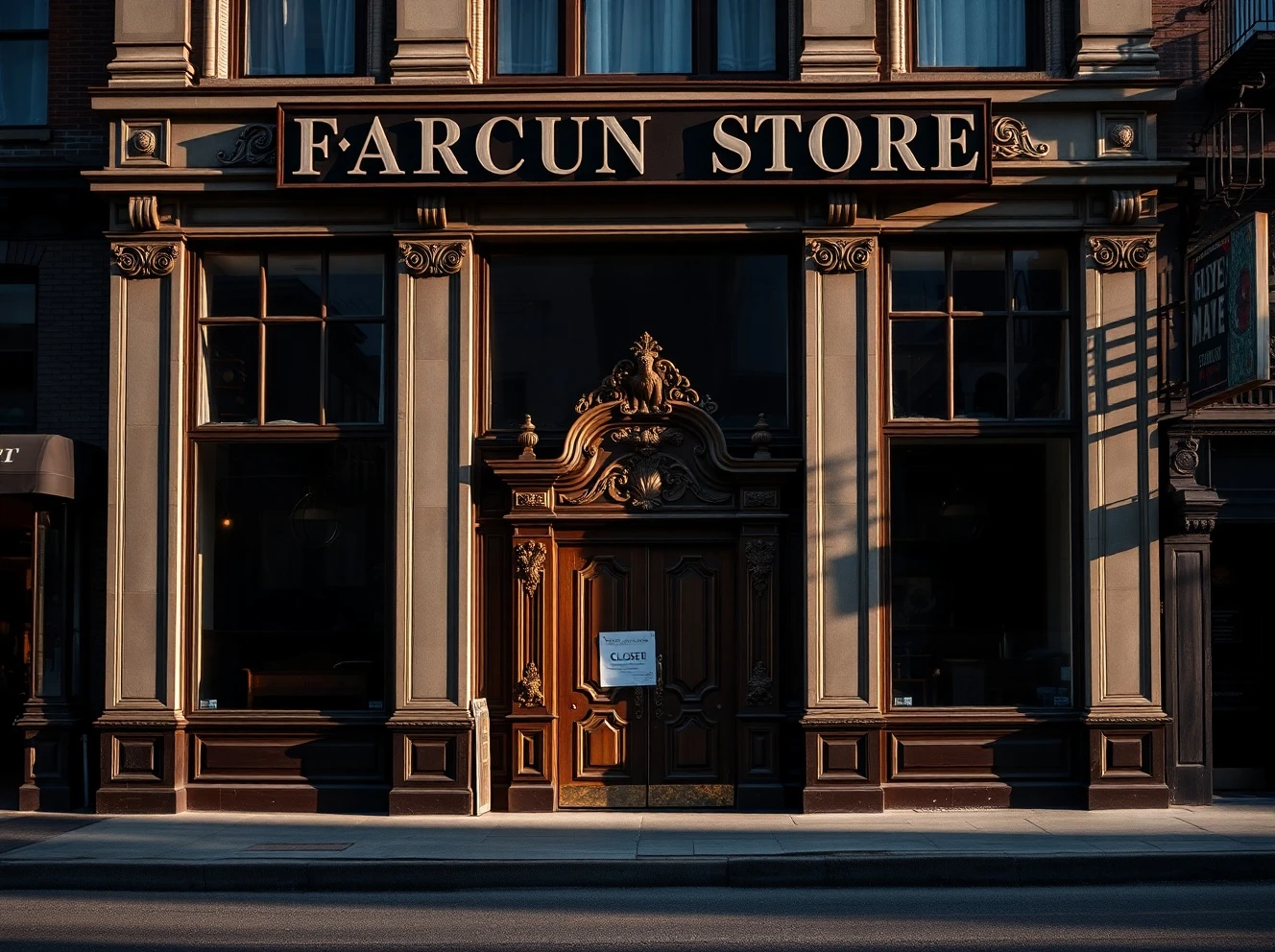
In a move that has sent shockwaves through the retail industry, a revered 127-year-old furniture retail icon has permanently shuttered its doors. Remarkably, this closure occurred without a bankruptcy filing, signaling a deliberate and controlled end to a storied legacy. This event, confirmed on October 26, 2024, represents more than just a store closing; it marks the conclusion of a significant chapter in American retail history and prompts a deep analysis of the evolving commercial landscape.
Furniture Retail Icon Shuts Down: The End of an Era
The closure of this century-old furniture retailer concludes a business journey that began in the late 1890s. Initially, the company established itself by catering to the growing middle class with durable, well-crafted home furnishings. Furthermore, it survived the Great Depression, multiple wars, and numerous economic cycles. However, the pressures of the modern retail environment ultimately proved insurmountable. Consequently, the decision to cease operations reflects a strategic choice by ownership rather than a forced liquidation by creditors.
Industry analysts point to several converging factors behind this historic closure. First, the seismic shift to e-commerce has dramatically altered consumer buying habits. Second, rising commercial real estate costs in prime urban locations have squeezed margins. Third, changing consumer preferences favor fast-fashion furniture and modular designs over the traditional, heavy pieces that were this retailer’s hallmark. Finally, supply chain complexities and increased competition from large online marketplaces created persistent operational challenges.
Analyzing a Closure Without Bankruptcy
The absence of a bankruptcy proceeding distinguishes this closure from many other retail failures. Typically, a Chapter 11 filing allows for reorganization, while Chapter 7 leads to liquidation. Here, the company’s leadership chose an orderly wind-down. This approach suggests the business may have retained some asset value or had a plan to settle obligations directly. It often indicates a more controlled, less chaotic process for employees, vendors, and customers with outstanding orders or warranties.
Expert Insight on the Strategic Wind-Down
Dr. Eleanor Vance, a retail historian at the Wharton School, provides context. “When a legacy brand closes without bankruptcy, it frequently points to a conscious exit strategy,” she explains. “Ownership likely evaluated the long-term viability, decided against selling the brand, and chose to return capital while honoring debts. This path, while still difficult, can preserve more dignity for the brand’s legacy and provide clearer outcomes for stakeholders compared to a court-supervised process.”
The impact of this closure extends beyond a single storefront. Approximately 300 employees across multiple locations have lost their jobs. Additionally, long-standing relationships with artisans and manufacturers, some spanning decades, have been severed. For the local community, the store was not just a retailer but a civic landmark and a source of identity. Its departure leaves a physical and cultural void on the main street it anchored for generations.
The Broader Retail Transformation Context
This event is part of a larger narrative often called the “retail apocalypse” or, more accurately, the “retail transformation.” Legacy brick-and-mortar stores face unprecedented pressure. The following table outlines key pressures facing traditional furniture retailers:
| Pressure Factor | Description | Impact on Legacy Retailers |
|---|---|---|
| E-commerce Dominance | Online giants offer vast selection and convenience. | Erodes foot traffic and forces costly digital investment. |
| Consumer Preference Shift | Demand for fast, affordable, and trendy furniture. | Renders large, expensive, traditional inventory less desirable. |
| Operational Costs | High costs for real estate, utilities, and in-store staff. | Compresses profit margins, making sustainability difficult. |
| Supply Chain Issues | Global disruptions and rising material costs. | Increases inventory cost and reduces predictability. |
Despite these challenges, some heritage brands successfully adapt. They leverage their history as a mark of quality and trust. Successful strategies often include:
• Omnichannel Integration: Blending physical showrooms with robust online sales and design services.
• Experiential Retail: Transforming stores into destinations with workshops, cafes, or design consultations.
• Niche Specialization: Focusing on custom, sustainable, or ultra-high-end market segments less sensitive to online competition.
• Subscription Models: Offering furniture rental or refresh services to meet changing consumer needs.
Historical Legacy and Cultural Impact
For 127 years, this furniture retail icon served as a community pillar. It furnished homes for generations of families, from newlyweds to those downsizing. Its annual catalog was a staple in many households. Moreover, the store often participated in local parades, sponsored little league teams, and its window displays marked every holiday season. This deep community embeddedness makes its closure feel personal to many, akin to losing a local institution.
The Future of the Physical Store
The closure raises fundamental questions about the role of physical retail spaces. While e-commerce grows, physical stores are not obsolete. Instead, their purpose is evolving. The future likely belongs to smaller, experiential showrooms that serve as brand touchpoints rather than vast inventory warehouses. These spaces will focus on customer experience, personalized service, and immediate problem-solving—functions that pure online players cannot easily replicate.
Conclusion
The shutdown of this 127-year-old furniture retail icon, executed without bankruptcy, is a poignant milestone. It underscores the relentless pace of change in the retail sector. While the store’s doors are closed, its legacy in the communities it served endures. This event serves as a powerful case study on the importance of strategic adaptation, the weight of legacy, and the evolving definition of value in the modern marketplace. The story of this furniture retail icon’s final chapter reminds us that even the most established institutions must continuously innovate to survive.
FAQs
Q1: Why did the furniture store close without filing for bankruptcy?
Closing without bankruptcy typically indicates a strategic decision by ownership. It suggests the company had sufficient assets to settle debts orderly outside of court, allowing for a more controlled wind-down that can better preserve brand dignity and provide clearer outcomes for employees and creditors.
Q2: What happens to customer warranties and outstanding orders now?
In a non-bankruptcy closure, the company is still legally obligated to fulfill its commitments. Customers with outstanding orders or active warranties should contact the company’s designated wind-down contact or customer service line, as arrangements are often made to honor these obligations or provide prorated refunds.
Q3: How does a 127-year-old business fail to adapt to modern retail?
Adaptation is incredibly challenging for legacy businesses with deeply ingrained processes, large physical footprints, and brand identities tied to a specific era. The speed of digital change, coupled with high fixed costs and shifting consumer tastes, can outpace even the best-intentioned modernization efforts.
Q4: Are other legacy furniture retailers at similar risk?
Yes, many traditional brick-and-mortar furniture retailers face similar pressures. However, risk levels vary based on their debt load, digital transformation success, brand relevance, and ability to create unique in-store experiences that justify the physical visit.
Q5: What will happen to the physical building of the closed store?
The fate of the building depends on its ownership and location. If owned by the retailer, it may be sold. In prime locations, it could be repurposed for another retailer, office space, or residential units. In some cases, municipalities may seek to preserve historically significant facades even if the interior use changes.