NEW YORK, March 2025 – A prominent luxury footwear brand has filed for Chapter 11 bankruptcy protection, a devastating move signaling a profound cooling in consumer demand for high-end discretionary goods. This filing represents a pivotal moment for the luxury retail sector, which now faces significant headwinds after years of robust growth. Consequently, analysts are scrutinizing shifting consumer priorities, inflationary pressures, and broader economic signals that precipitated this collapse.
Luxury Footwear Bankruptcy Filing Details and Immediate Fallout
The company, which we will refer to as ‘Aurelian Heels’ for contextual analysis, submitted its petition in the U.S. Bankruptcy Court for the Southern District of New York. According to court documents, the brand lists assets between $50 million and $100 million against liabilities in the same range. This Chapter 11 filing aims to facilitate a financial restructuring, not an immediate liquidation. Therefore, the company intends to continue operating a reduced number of stores while seeking new financing or a potential sale.
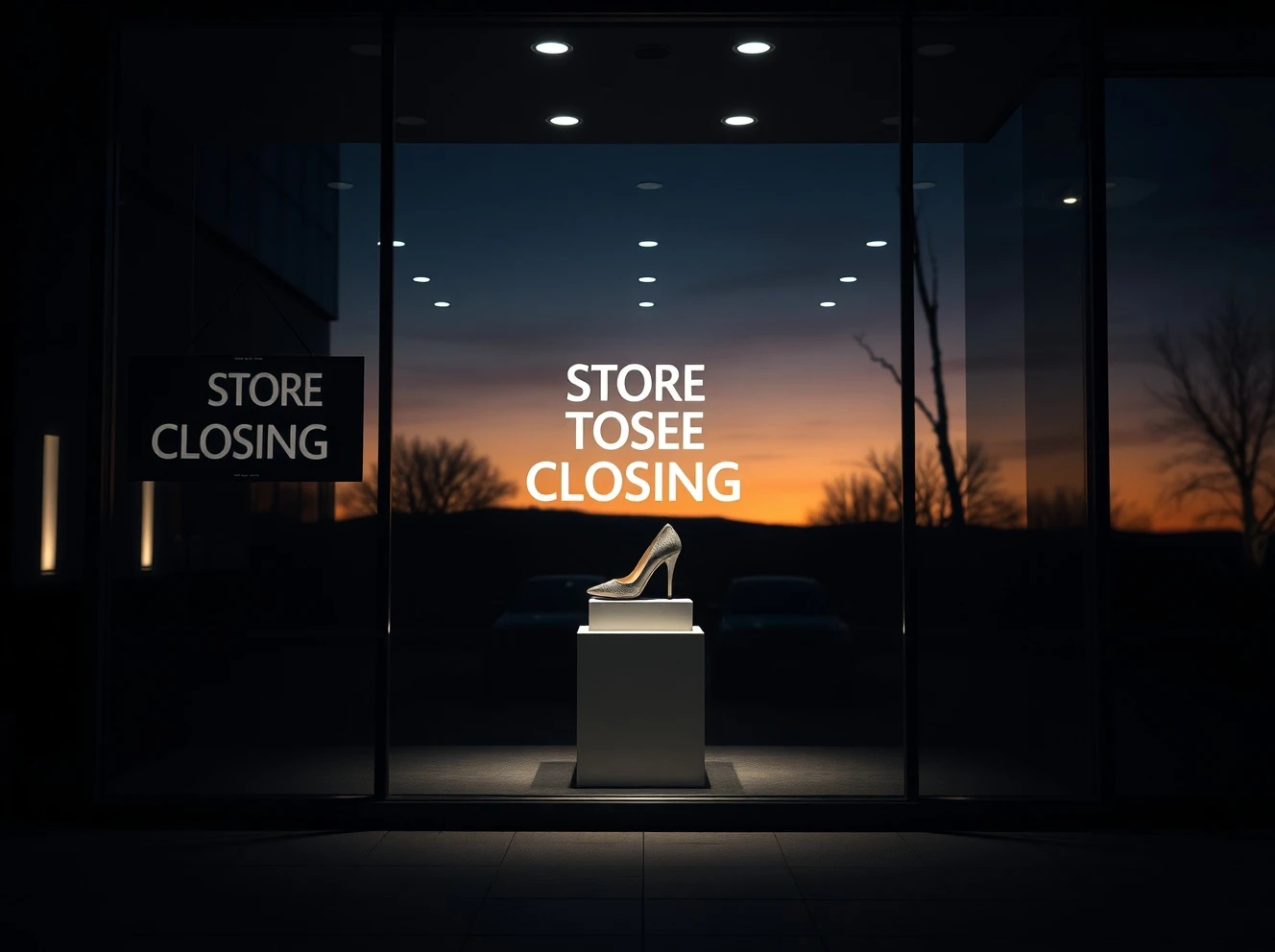
Immediate impacts include the planned closure of approximately 40% of its standalone boutiques, primarily in secondary markets. Furthermore, the brand has notified major department store partners of revised shipment schedules. The restructuring plan, however, hinges on securing debtor-in-possession (DIP) financing to maintain operations during the bankruptcy process. This situation mirrors challenges seen in other discretionary retail segments over the past 18 months.
Market Context and Preceding Warning Signs
Financial analysts had documented warning signs for quarters. For instance, same-store sales declined by 18% year-over-year in the last reported quarter. Additionally, inventory levels swelled by 35%, indicating products were not moving at full price. The brand’s reliance on wholesale channels, which often demand heavy discounting, exacerbated margin pressures. Several key executives, including the Chief Financial Officer, departed in the six months preceding the filing, a common red flag in corporate distress scenarios.
Analyzing the Cooling Demand for Luxury Goods
The core issue driving this luxury footwear bankruptcy is a measurable shift in consumer spending. Multiple economic factors converged to create a hostile environment for premium-priced, non-essential items.
- Inflation and Cost of Living: Persistent inflation in housing, groceries, and services has squeezed disposable income, forcing consumers to prioritize necessities.
- Shift to Experiences: Post-pandemic, spending has pivoted strongly toward travel, dining, and events, away from physical goods, especially high-margin fashion items.
- Second-Hand Market Growth: The rapid expansion of luxury resale platforms offers consumers access to coveted brands at steep discounts, undermining full-price retail sales.
- Generational Preferences: Younger consumers, particularly Gen Z, demonstrate a weaker attachment to traditional luxury status symbols, favoring sustainability and unique vintage finds over new, logo-heavy items.
This cooling demand is not isolated. Recent earnings reports from broader luxury conglomerates show slowing growth in North America and Europe, though Asia-Pacific markets remain more resilient.
Comparative Retail Bankruptcies in the Post-Pandemic Era
The Aurelian Heels case follows a pattern established by other distressed retailers. The table below contextualizes this filing within recent industry history.
| Company (Sector) | Filing Date | Key Cause | Outcome |
|---|---|---|---|
| Bed Bath & Beyond (Home Goods) | April 2023 | Failed strategy, inventory bloat | Liquidation |
| Party City (Specialty Retail) | January 2023 | Supply chain debt, demand shift | Emergence after restructuring |
| David’s Bridal (Apparel) | April 2023 | Changing wedding trends, debt | Acquired in sale process |
| Aurelian Heels (Luxury Footwear) | March 2025 | Cooling luxury demand, high fixed costs | Pending (Chapter 11 Restructuring) |
As evidenced, the common thread is an inability to adapt quickly enough to sudden changes in consumer behavior and macroeconomic conditions. Luxury brands, with their high fixed costs for prime retail space and elaborate marketing, are particularly vulnerable when demand softens.
Expert Analysis on Brand Viability and Restructuring
Dr. Evelyn Reed, a retail strategist and professor at the Wharton School, provides expert context. “Chapter 11 is a tool for survival, not a death sentence,” she states. “For a brand with residual equity like this, the process allows it to shed burdensome leases and renegotiate supplier contracts. The critical question is whether the brand’s core identity still resonates. If it does, a leaner, more digitally-focused company can emerge.”
Dr. Reed’s analysis points to a potential path forward. Success hinges on rationalizing physical retail, enhancing direct-to-consumer e-commerce, and potentially introducing a more accessible product line to attract a broader customer base without severely diluting the luxury cachet.
The Road Ahead: Implications for the Fashion Industry
This luxury footwear bankruptcy will likely trigger several industry-wide effects. First, commercial landlords in premium shopping districts may face increased vacancy risks, potentially leading to rent renegotiations. Second, suppliers and manufacturers in Italy and Portugal, where much luxury footwear is produced, may experience order cancellations and demand tighter payment terms from other clients. Third, competitors may seize the opportunity to acquire customer lists, key designers, or even intellectual property from the bankrupt estate.
Moreover, the event serves as a stark warning to other niche luxury players. Investors and lenders will now scrutinize business models with high physical retail exposure and low digital penetration. The emphasis will shift decisively toward brands with strong community engagement, robust online sales channels, and demonstrated adaptability.
Conclusion
The Chapter 11 filing by this luxury footwear brand underscores a severe and ongoing cooling in consumer demand for high-end discretionary goods. This luxury footwear bankruptcy results from a perfect storm of economic pressure, shifting consumer values, and a potentially outdated operational model. While the restructuring process offers a chance for renewal, it also highlights the precarious position of traditional luxury retail in the current economic climate. The brand’s future now depends on its ability to adapt to a market that increasingly values experience, value, and digital convenience alongside exclusivity.
FAQs
Q1: What does Chapter 11 bankruptcy mean for this luxury footwear brand?
A1: Chapter 11 is a form of bankruptcy that allows a company to reorganize its debts and business operations under court supervision. The brand intends to stay open, close some stores, and seek new financing to continue operating in a reduced form, rather than liquidating immediately.
Q2: Why is demand for luxury goods cooling?
A2: Key factors include high inflation reducing disposable income, a consumer shift toward spending on experiences like travel, the growth of the second-hand luxury market, and changing preferences among younger shoppers who may prioritize different values than previous generations.
Q3: Will customer orders and gift cards still be honored?
A3: Typically, a company in Chapter 11 continues to honor commitments as part of normal operations to maintain customer trust. However, policies are subject to court approval, and customers should monitor official company communications for specific guidance on warranties, returns, and stored value.
Q4: How does this affect the brand’s employees?
A4: Store closures will result in layoffs. Employees at remaining locations and corporate offices are generally retained as “critical vendors,” but wages and benefits can be subject to modification as part of the court-supervised restructuring plan.
Q5: Could another company buy this luxury footwear brand out of bankruptcy?
A5: Yes, this is a common outcome. The bankruptcy process can include a sale of some or all of the company’s assets. Competitors, investment firms, or even larger luxury conglomerates may bid for the brand’s name, designs, and customer relationships, seeing value that can be realized under new ownership.