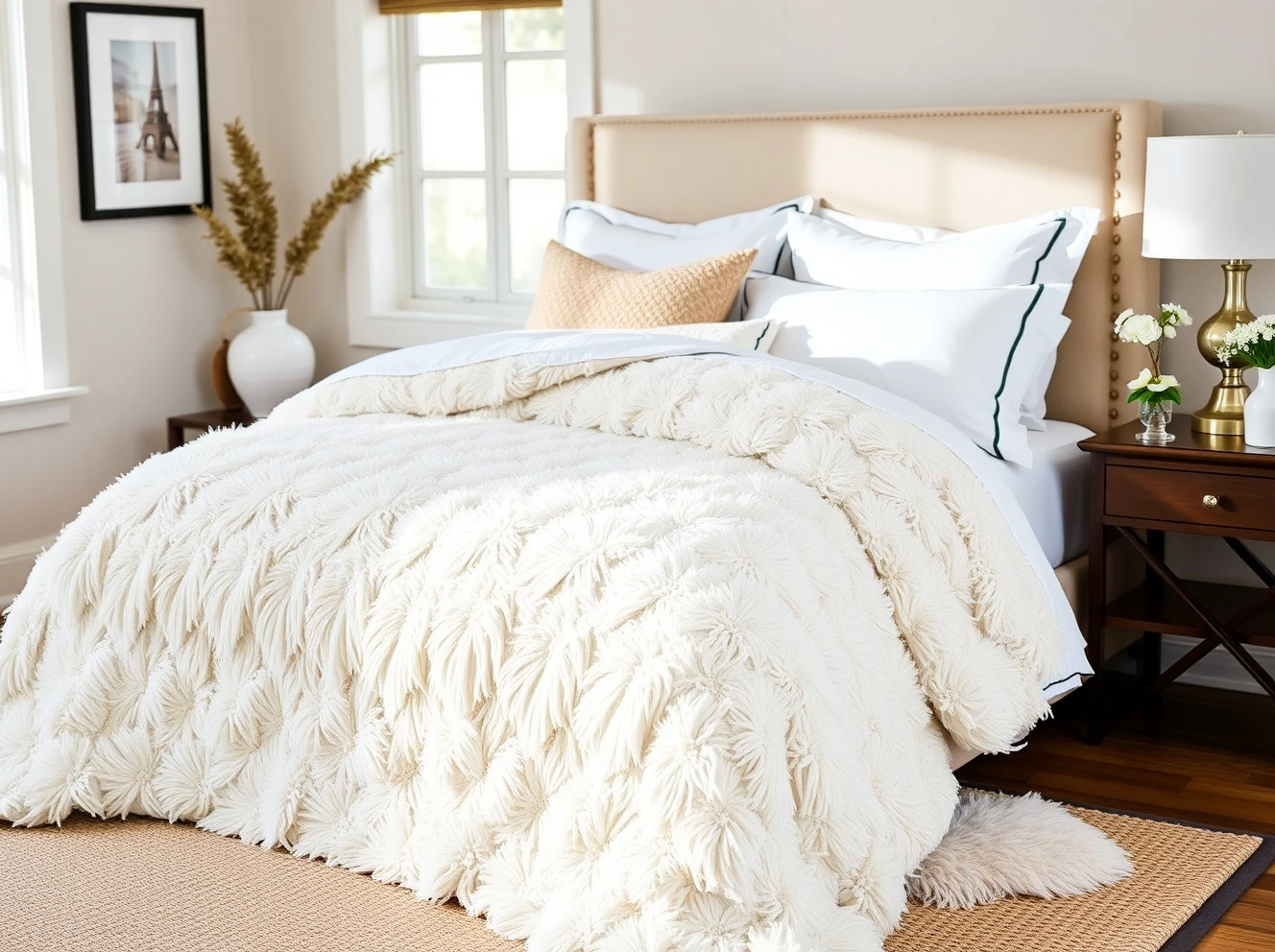
NEW YORK, March 2025 – Macy’s has launched a significant promotional event, reducing their premium boho comforter set from $250 to $113, representing a 55% discount that immediately captured consumer attention across home decor markets. This strategic pricing adjustment coincides with broader retail trends toward accessible luxury in home furnishings. Consequently, the department store chain positions itself competitively within the evolving bedding industry landscape. Market analysts observe these seasonal promotions carefully, as they often reflect inventory strategies and consumer demand patterns. The comforter set itself features distinctive design elements that blend contemporary aesthetics with traditional comfort.
Macy’s Boho Comforter Set Features and Specifications
The discounted bedding collection showcases specific construction qualities that distinguish it within Macy’s home department inventory. According to product specifications, the comforter utilizes a polyester fill that manufacturers engineer for optimal fluffiness while maintaining structural integrity through multiple washes. Furthermore, the cover fabric incorporates a cotton-polyester blend that provides both softness and durability. Design elements include subtle textural patterns and neutral color palettes that align with current boho-chic interior design trends. The set typically includes matching shams or decorative pillows, creating a coordinated bedroom appearance.
Retail experts note that bedding materials have evolved significantly in recent years. For instance, advanced polyester fibers now mimic the loft and breathability of natural down alternatives. Additionally, fabric technologies focus on hypoallergenic properties and thermal regulation. Macy’s product development team reportedly collaborated with textile specialists to balance aesthetic appeal with functional performance. The resulting comforter set therefore represents a convergence of design trends and material innovation. Consumers increasingly prioritize products that offer both visual elegance and practical comfort in their purchasing decisions.
Textile Industry Insights and Manufacturing Context
Textile manufacturing data reveals that bedding production involves complex supply chain considerations. Global cotton prices fluctuated approximately 18% in the past year, influencing final retail pricing structures. Meanwhile, synthetic fiber production has become more sustainable through recycled material integration. Industry reports indicate that major retailers like Macy’s work with certified suppliers who adhere to responsible sourcing standards. Consequently, product cost reductions often stem from logistical efficiencies rather than quality compromises. The bedding market’s competitive nature drives continuous improvement in both materials and manufacturing processes.
Retail Market Dynamics and Pricing Strategies
The home goods sector experienced notable shifts following pandemic-related supply chain disruptions. Subsequently, inventory management became a critical focus for department stores nationwide. Macy’s financial reports indicate that strategic discounting helps maintain inventory turnover rates, especially for seasonal home categories. Moreover, consumer spending data shows increased investment in home environments as remote work arrangements persist. This $250-to-$113 price reduction aligns with observed patterns where retailers offer substantial discounts on mid-range luxury items to stimulate sales volume during transitional seasons.
Comparative analysis reveals that similar boho-style comforter sets retail between $180 and $400 across competing retailers. Key competitors include:
- Target’s Casaluna line: $129-$199 range
- West Elm’s organic collections: $279-$450 range
- Amazon’s Stone & Beam brand: $89-$169 range
This pricing landscape demonstrates Macy’s strategic positioning within the market. The $113 price point places the product within the affordable luxury segment, appealing to style-conscious consumers with moderate budgets. Retail analysts emphasize that such promotions serve multiple purposes: clearing existing inventory, attracting new customers, and reinforcing brand relevance in competitive markets. Furthermore, these sales events generate valuable consumer behavior data that informs future product development and marketing approaches.
Consumer Behavior and Home Decor Trends
Recent interior design surveys identify several prevailing trends influencing bedding purchases. The boho aesthetic maintains strong popularity, characterized by layered textures, natural elements, and eclectic patterns. Additionally, consumers increasingly seek products that balance visual appeal with functional comfort. The “fluffy” descriptor in product marketing directly addresses this dual demand. Social media analysis shows that bedding presentations emphasizing both elegance and comfort receive higher engagement rates. Consequently, retailers carefully craft product descriptions and visual presentations to highlight these attributes.
Economic Factors Influencing Home Goods Pricing
Macroeconomic conditions significantly impact retail pricing strategies across all consumer goods categories. Inflation rates for household furnishings measured 3.2% year-over-year according to recent Bureau of Labor Statistics data. Meanwhile, consumer disposable income levels affect purchasing decisions for non-essential home upgrades. Retailers like Macy’s must therefore balance production costs with consumer price sensitivity. The substantial discount on this comforter set may reflect several factors including overstock situations, seasonal transitions, or competitive responses. Such pricing adjustments help maintain market share during economically uncertain periods.
Supply chain optimization has become increasingly sophisticated in the retail sector. Advanced inventory management systems enable more precise demand forecasting and stock allocation. These technological improvements allow retailers to identify optimal discount timing and depth. For example, Macy’s reportedly utilizes predictive analytics to determine which products will benefit most from promotional pricing. This data-driven approach minimizes revenue loss while maximizing sales volume and customer acquisition. The bedding category particularly benefits from such analytical approaches due to its seasonal demand patterns and fashion-sensitive nature.
Quality Assessment and Consumer Value Proposition
Independent product testing provides objective metrics for evaluating bedding quality beyond marketing descriptions. Key performance indicators include fill power measurements, thread count verification, and durability testing through simulated use cycles. While specific test results for this Macy’s comforter set aren’t publicly available, comparable products in this price range typically demonstrate adequate performance for everyday residential use. Consumers should consider several factors when assessing value:
| Feature | Industry Standard | Value Assessment |
|---|---|---|
| Fill Material | Polyester or Down Alternative | Provides warmth without allergens |
| Construction | Baffle-box or Sewn-through | Prevents fill shifting |
| Care Requirements | Machine washable | Maintains convenience |
| Design Longevity | Neutral color schemes | Extends aesthetic relevance |
The $113 price point represents approximately 45% of the original $250 retail value, suggesting significant savings potential. However, consumers should evaluate whether the product specifications align with their specific needs and preferences. For instance, individuals with temperature regulation concerns might prioritize breathability over fluffiness. Similarly, those with aesthetic preferences might value design versatility across changing decor styles. The boho aesthetic particularly appeals to consumers seeking relaxed, layered bedroom environments with natural textures and organic influences.
Sustainability Considerations in Bedding Production
Environmental awareness increasingly influences consumer purchasing decisions across home goods categories. The textile industry has responded with various sustainability initiatives including recycled material integration, water conservation processes, and reduced chemical applications. While specific sustainability credentials for this Macy’s comforter set aren’t detailed in promotional materials, industry trends suggest growing attention to these factors. Consumers interested in environmentally responsible purchases should research product certifications like OEKO-TEX Standard 100 or Global Organic Textile Standard (GOTS). These verifications provide independent assurance regarding material safety and production standards.
Conclusion
Macy’s discounted boho comforter set represents a compelling offering within the competitive home decor market. The reduction from $250 to $113 provides substantial value for consumers seeking elegant bedding with fluffy comfort characteristics. This promotion aligns with broader retail strategies that balance inventory management with consumer demand patterns. Furthermore, the product’s design reflects current interior design preferences for boho-chic aesthetics with practical functionality. As the home goods sector continues evolving, such strategic pricing initiatives will likely remain important tools for retailers navigating complex market conditions. The Macy’s boho comforter sale therefore illustrates how established department stores adapt to changing consumer preferences and economic realities.
FAQs
Q1: What specific items are included in the Macy’s boho comforter set?
The complete set typically includes one comforter and two matching shams, though configurations may vary by specific product listing. Consumers should verify contents before purchasing.
Q2: How does the “fluffy” quality affect the comforter’s performance and care?
The fluffy characteristic refers to fill loft and texture, which provides visual fullness and insulation. Proper care including gentle washing and thorough drying helps maintain this quality over time.
Q3: What design elements define the “boho” aesthetic in this bedding collection?
Boho design typically incorporates textured fabrics, organic patterns, layered looks, and natural color palettes. This comforter set reflects these characteristics through its fabric treatment and color selection.
Q4: How does this discounted price compare to similar products from other retailers?
The $113 price point positions this product competitively within the mid-range bedding market. Comparable boho-style comforters range from approximately $90 to $200 across various retailers.
Q5: What factors should consumers consider when evaluating this comforter set’s value?
Key considerations include material quality, construction durability, design compatibility with existing decor, care requirements, and personal comfort preferences regarding weight and warmth.