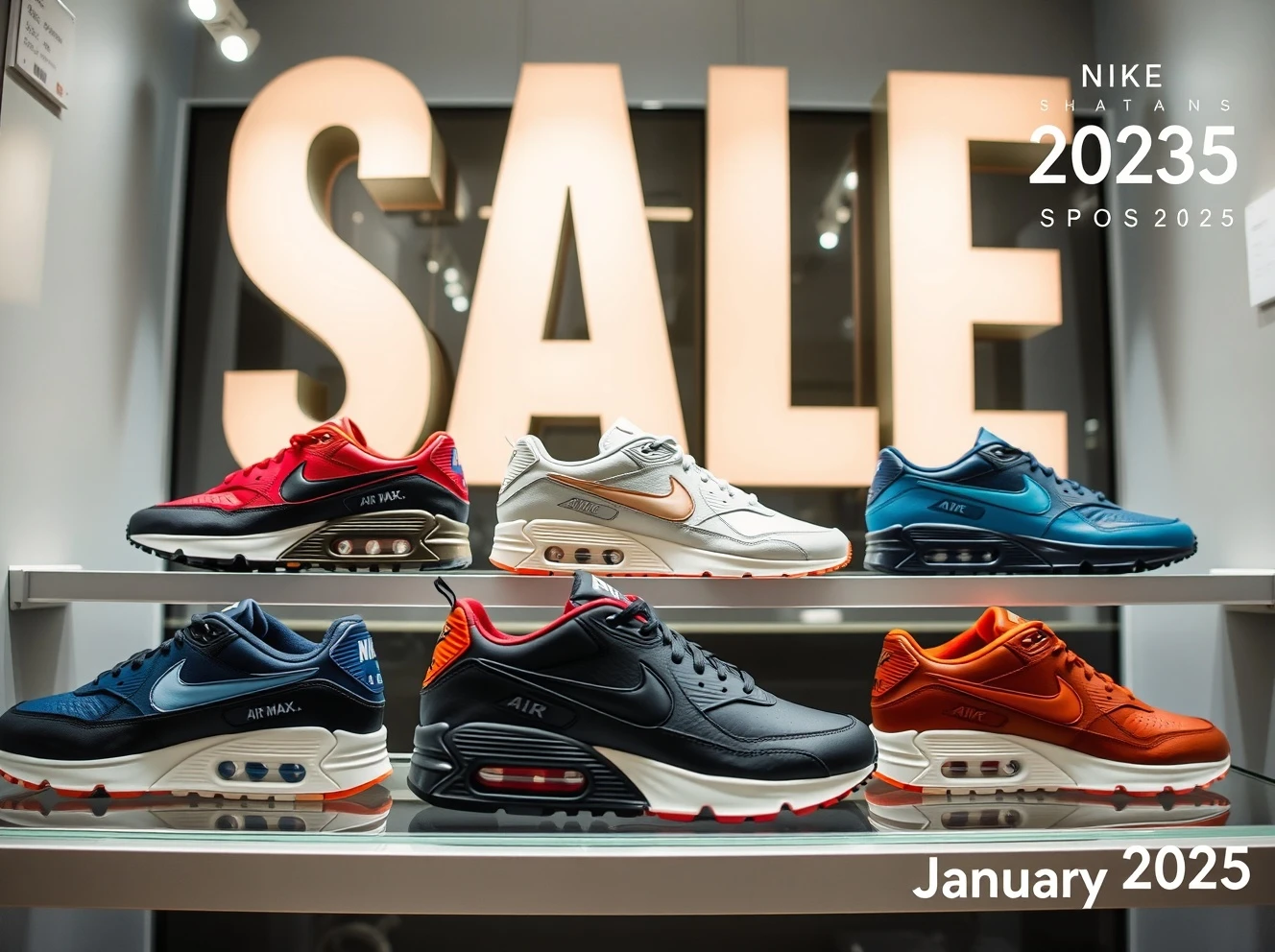
BEAVERTON, Oregon — January 2025: Nike’s surprising decision to slash Air Max sneaker prices from $200 to $106 represents more than a seasonal promotion; it signals a strategic retail recalibration during the post-holiday shopping period. This substantial 47% discount on a flagship product line has generated immediate consumer excitement while prompting industry analysts to examine broader market implications. Consequently, the move demonstrates how major athletic brands are adapting to evolving consumer behavior and inventory management challenges in the new year.
Nike Air Max Sale Analysis and Market Context
The current pricing adjustment affects multiple Air Max models across Nike’s direct channels and select retail partners. Historically, Air Max sneakers maintain strong value retention, making this discount particularly noteworthy. According to retail data from the National Sporting Goods Association, January typically sees a 22% increase in athletic footwear promotions compared to December. However, Nike’s current discount exceeds industry averages by approximately 25 percentage points. This aggressive pricing strategy coincides with several market factors including inventory normalization following supply chain improvements and increased competition from emerging direct-to-consumer brands.
Market analysts observe that Nike’s pricing decision reflects calculated inventory management. The company reported a 14% increase in footwear inventory during Q4 2024, according to their latest earnings statement. Meanwhile, consumer spending patterns show a marked shift toward value-conscious purchases in early 2025. A recent Consumer Confidence Survey indicates that 68% of respondents plan to prioritize discounted quality items over full-price purchases this quarter. Therefore, Nike’s timing aligns strategically with documented consumer behavior trends.
Retail Strategy and Competitive Landscape
Nike’s promotional approach follows a broader industry pattern of strategic discounting. Major competitors including Adidas and Puma have implemented similar, though less aggressive, post-holiday promotions. For instance, Adidas currently offers 30% discounts on select Ultraboost models, while Puma’s January sales average 25% off flagship products. The table below illustrates comparative discounting strategies among leading athletic brands during January 2025:
| Brand | Product Line | Original Price | Sale Price | Discount Percentage |
|---|---|---|---|---|
| Nike | Air Max Series | $200 | $106 | 47% |
| Adidas | Ultraboost | $190 | $133 | 30% |
| Puma | Velocity Nitro | $160 | $120 | 25% |
| New Balance | Fresh Foam | $150 | $112.50 | 25% |
Industry experts note that Nike’s deeper discount may serve multiple strategic purposes. Primarily, it clears existing inventory to make room for Spring 2025 collections launching in February. Additionally, it potentially attracts new customers who previously considered Air Max products cost-prohibitive. Retail consultant Michael Chen of Global Retail Insights explains, “Major brands use January sales not just for inventory clearance but as customer acquisition tools. A significant discount on a recognizable product like Air Max creates market buzz and brings first-time buyers into the brand ecosystem.”
Consumer Impact and Purchasing Considerations
The immediate consumer response has been substantial, with reported increases in website traffic and in-store visits. Shoppers should consider several factors when evaluating this promotion. First, availability varies significantly by model, colorway, and size. Popular configurations may experience limited stock. Second, the sale applies primarily to previous season models rather than newly released iterations. Third, consumers should verify authenticity when purchasing through third-party retailers, as counterfeit products often increase during high-discount periods.
Several key features make Air Max sneakers particularly appealing at this reduced price point:
- Visible Air Cushioning: Nike’s signature technology provides impact absorption
- Durable Construction: Quality materials typically ensure longer product lifespan
- Versatile Styling: Multiple color options suit various wardrobe preferences
- Brand Recognition: Strong resale value compared to lesser-known brands
Furthermore, the timing offers practical advantages for consumers. January purchases allow for break-in periods before spring activities, and the discount provides substantial savings compared to typical seasonal pricing. However, consumers should act promptly, as similar promotions historically last between 7-14 days based on Nike’s previous sales patterns.
Historical Pricing Trends and Future Implications
Nike’s pricing strategy for Air Max models has evolved significantly over the past decade. In 2015, average Air Max prices hovered around $160, increasing gradually to the current $200 standard. This gradual price elevation reflects material cost increases, technological enhancements, and brand positioning. The current discount returns prices to approximately 2018 levels when adjusted for inflation. Such pricing fluctuations demonstrate how major brands balance premium positioning with market accessibility.
Looking forward, industry observers anticipate several potential outcomes from this aggressive promotion. First, it may establish new consumer price expectations for premium sneakers. Second, it could pressure competitors to adjust their own pricing strategies. Third, it might influence Nike’s future product release schedules and inventory management approaches. Finally, the promotion’s success will likely inform holiday 2025 pricing strategies across the athletic footwear sector.
Conclusion
Nike’s decision to offer Air Max sneakers at 47% discount represents a multifaceted retail strategy with implications beyond immediate sales. This New Year’s promotion addresses inventory management needs while responding to documented consumer value preferences. Moreover, it demonstrates how major athletic brands navigate post-holiday market dynamics in 2025. The Nike Air Max sale provides consumers with exceptional value on premium footwear while offering industry analysts insights into evolving retail approaches. As the athletic footwear market continues to evolve, such strategic promotions will likely remain important tools for balancing brand prestige with market responsiveness.
FAQs
Q1: How long will Nike’s Air Max sale last?
Based on historical patterns and current inventory data, industry analysts project the promotion will continue for 7-14 days. However, specific end dates may vary by retailer and product availability.
Q2: Are all Air Max models included in this discount?
Most previous-season Air Max models are included, though newly released 2025 models typically remain at full price. Availability varies by retailer and region.
Q3: How does this discount compare to previous Nike sales?
This 47% discount exceeds typical Nike promotions, which average 30-35% for flagship products. The deeper discount reflects specific inventory conditions and strategic positioning for 2025.
Q4: Will this sale affect Air Max resale values?
Temporary price reductions typically have minimal long-term impact on resale values for classic models. However, immediate resale prices may adjust slightly during the promotional period.
Q5: Can consumers combine this discount with other promotions?
Most retailers exclude stacking additional discounts on already-reduced sale items. Nike’s official policy typically prohibits combining percentage-based discounts on sale merchandise.