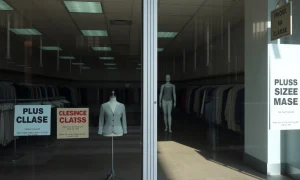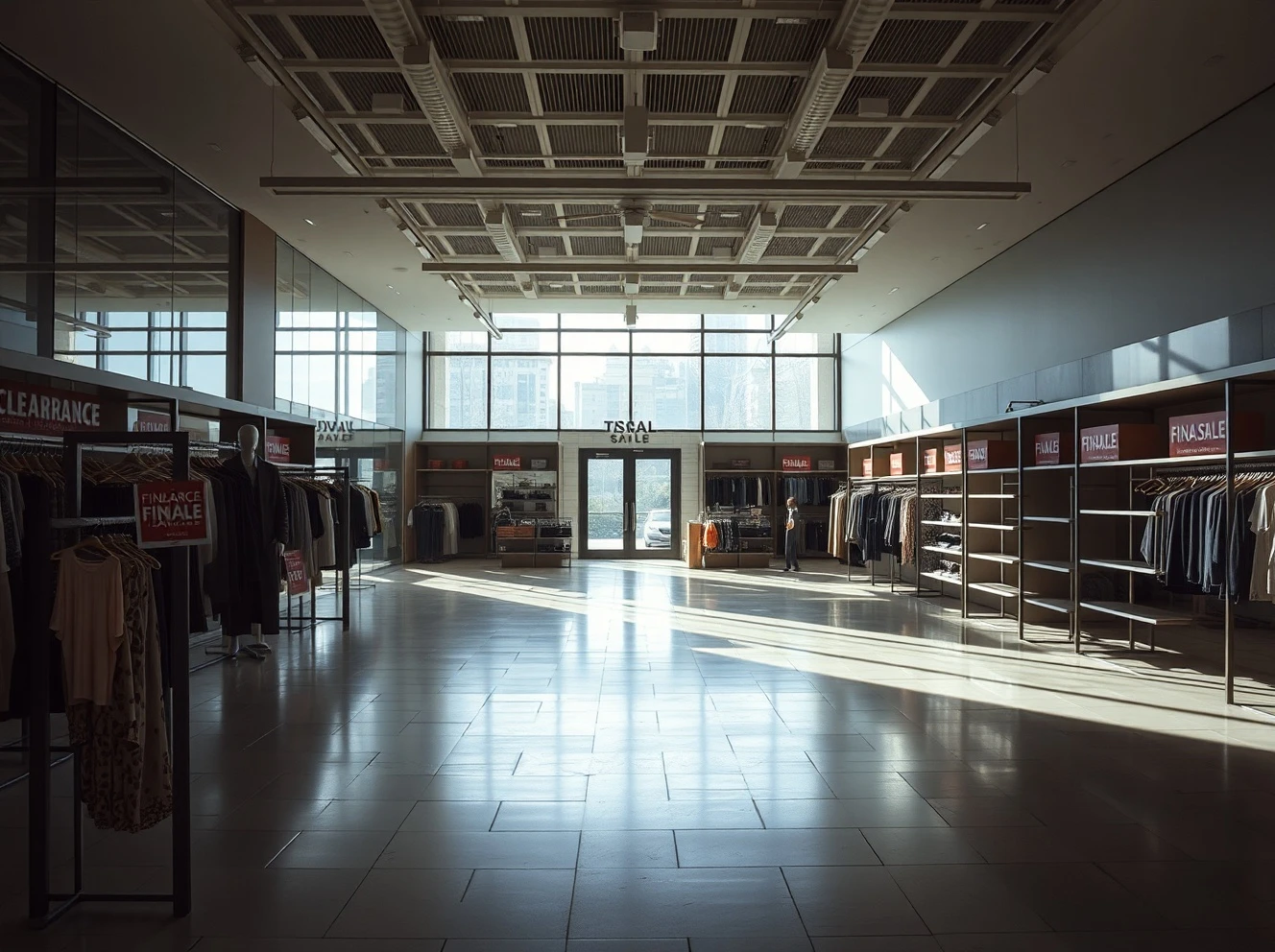
In a seismic shift for the retail industry, a major plus-size fashion retailer announced plans this week to shutter nearly 200 physical locations across the United States, marking one of the largest retail contractions in recent years and fundamentally altering the landscape for extended-size consumers. The decision, confirmed through court filings and corporate statements, will affect thousands of employees and leave significant gaps in the brick-and-mortar retail ecosystem for plus-size shoppers who have long relied on these specialized stores.
Plus-Size Fashion Retailer Announces Massive Store Closure Strategy
The retail chain, which has operated for decades as a primary destination for plus-size clothing, filed restructuring documents revealing the immediate closure of 187 stores nationwide. Consequently, these closures represent approximately 35% of the company’s total physical footprint. The company cited multiple converging factors for this drastic measure, including shifting consumer behavior, unsustainable lease agreements, and mounting financial pressures. Moreover, the retail landscape has transformed dramatically since the pandemic, accelerating changes that have particularly impacted specialty apparel retailers.
According to retail analysts, the company’s store portfolio included many locations in traditional shopping malls, which have experienced declining foot traffic for years. Additionally, the retailer faced intense competition from both online-only plus-size brands and mainstream retailers expanding their inclusive size offerings. Financial documents show the company’s revenue declined by 22% over the past three years, while digital sales grew by only 8% during the same period, failing to offset physical store losses.
Retail Industry Context and Historical Precedents
This announcement follows a troubling pattern in the retail sector, where several specialty apparel chains have significantly reduced their physical presence. For comparison, other retailers have implemented similar restructuring plans in recent years, though rarely at this scale within the plus-size segment specifically. The table below illustrates recent major retail contractions:
| Retailer | Year | Stores Closed | Primary Reason |
|---|---|---|---|
| This Plus-Size Retailer | 2025 | ~200 | Financial Restructuring |
| Department Store Chain A | 2023 | 150 | Bankruptcy Proceedings |
| Youth Apparel Retailer | 2024 | 75 | Market Repositioning |
Industry experts note that plus-size fashion has historically operated with thinner margins than standard sizing due to several factors:
- Higher production costs for additional materials and specialized patterns
- Inventory challenges from carrying extensive size ranges
- Real estate inefficiencies requiring larger store formats
- Limited wholesale opportunities compared to straight-size counterparts
Consumer Impact and Market Gap Analysis
The closure of nearly 200 stores creates immediate accessibility issues for plus-size consumers, particularly those who prefer in-person shopping experiences. Many customers have expressed concerns about several key areas:
First, fit validation remains crucial for plus-size shoppers, as sizing varies dramatically between brands and even within collections. Physical stores provided essential opportunities for trying garments before purchase. Second, personalized styling services, which many of these locations offered, helped customers navigate fit and style challenges specific to extended sizes. Third, community spaces that these stores often functioned as will disappear, removing gathering points that extended beyond mere transactions.
Market research indicates that 67% of plus-size shoppers prefer to try clothing in-store before purchasing, compared to 48% of straight-size shoppers. This disparity highlights the disproportionate impact these closures will have on the plus-size community. Furthermore, rural and suburban areas with limited retail options will experience the most significant reductions in accessible plus-size clothing availability.
Economic and Employment Consequences
The store closures will result in substantial job losses across the retail sector. Based on average staffing models, approximately 4,000-5,000 employees will face layoffs or transfers. These positions include:
- Store managers and assistant managers
- Sales associates and styling specialists
- Visual merchandisers and inventory staff
- Loss prevention and operations personnel
Economists project secondary effects on shopping centers and malls that housed these stores. Vacancy rates in regional malls already exceed 15% nationally, and these additional closures could push some properties toward critical occupancy thresholds. Additionally, local economies will lose sales tax revenue and suffer reduced foot traffic to neighboring businesses that benefited from the retailer’s customer draw.
Labor advocates emphasize that many affected employees specialized in plus-size fashion retail, possessing unique expertise in serving this customer segment. Consequently, their skills may not translate directly to other retail positions, potentially leading to longer unemployment periods or requiring career changes. The company has announced severance packages and outplacement services, though details remain limited in initial filings.
Digital Transformation and Future Retail Models
While closing physical stores, the retailer plans to intensify its digital operations. The company’s restructuring documents outline a $50 million investment in e-commerce infrastructure over the next 18 months. This investment targets several specific areas:
First, augmented reality fitting technology will receive significant funding, aiming to reduce return rates that currently exceed 40% for online plus-size purchases. Second, the company will expand its virtual styling services, connecting customers with specialists via video platforms. Third, inventory systems will undergo complete modernization to improve fulfillment speed and accuracy.
Retail analysts question whether digital channels can fully replace the physical experience for plus-size shoppers. However, the company points to successful transitions by other specialty retailers as evidence of feasibility. Notably, several direct-to-consumer plus-size brands have achieved profitability without any physical stores, though they typically target younger demographics comfortable with exclusively digital shopping experiences.
Regulatory and Industry Response
The announcement has drawn attention from multiple regulatory bodies and industry organizations. The Department of Labor has initiated monitoring of the layoff process to ensure compliance with Worker Adjustment and Retraining Notification (WARN) Act requirements. Simultaneously, the Federal Trade Commission may review the competitive implications of reduced physical retail options for plus-size consumers.
Industry associations, including the National Retail Federation and the American Apparel & Footwear Association, have issued statements acknowledging the challenges facing specialty apparel retail. These organizations emphasize the need for adaptive business models while recognizing the particular difficulties of plus-size retail operations. Some advocates have called for policy interventions, such as tax incentives for retailers maintaining extended size inventories or grants supporting plus-size fashion innovation.
Competitors have responded cautiously to the news. Several mainstream retailers announced expansions of their plus-size offerings, though primarily through online channels rather than additional physical inventory. Independent plus-size boutiques report increased inquiries from displaced customers, though their capacity remains limited compared to the closing chain’s former scale.
Conclusion
The closure of nearly 200 stores by this plus-size fashion retailer represents a pivotal moment for both the retail industry and the plus-size consumer community. While driven by financial necessities, these shutdowns will reshape physical retail accessibility for millions of Americans who wear extended sizes. The company’s transition toward digital operations reflects broader retail trends, yet questions remain about whether online experiences can adequately serve plus-size shoppers’ unique needs. Ultimately, this restructuring highlights the ongoing evolution of specialty retail and the continuing challenges of profitably serving niche markets in an increasingly digital commerce landscape.
FAQs
Q1: Which plus-size fashion retailer is closing stores?
The retailer has not been officially named in all reports due to ongoing legal proceedings, but court documents identify it as a major national chain specializing exclusively in plus-size fashion with decades of market presence.
Q2: How many employees will be affected by these closures?
Based on standard retail staffing models, approximately 4,000-5,000 employees across nearly 200 locations will face layoffs or transfers, though exact numbers may vary by location and timing.
Q3: Will the company continue operating online?
Yes, the restructuring plan includes significant investment in e-commerce operations, with the company planning to transition to a primarily digital business model while maintaining a reduced physical presence in key markets.
Q4: What should customers with gift cards or pending orders do?
The company has announced that gift cards will remain redeemable online and at remaining open stores, while pending orders will be fulfilled normally. Customers should monitor official communications for specific timelines and procedures.
Q5: Are other plus-size retailers likely to follow with similar closures?
Industry analysts believe this reflects sector-wide challenges, though the scale is unprecedented. Other retailers may optimize their physical footprints but are unlikely to implement closures at this magnitude without similar financial distress.