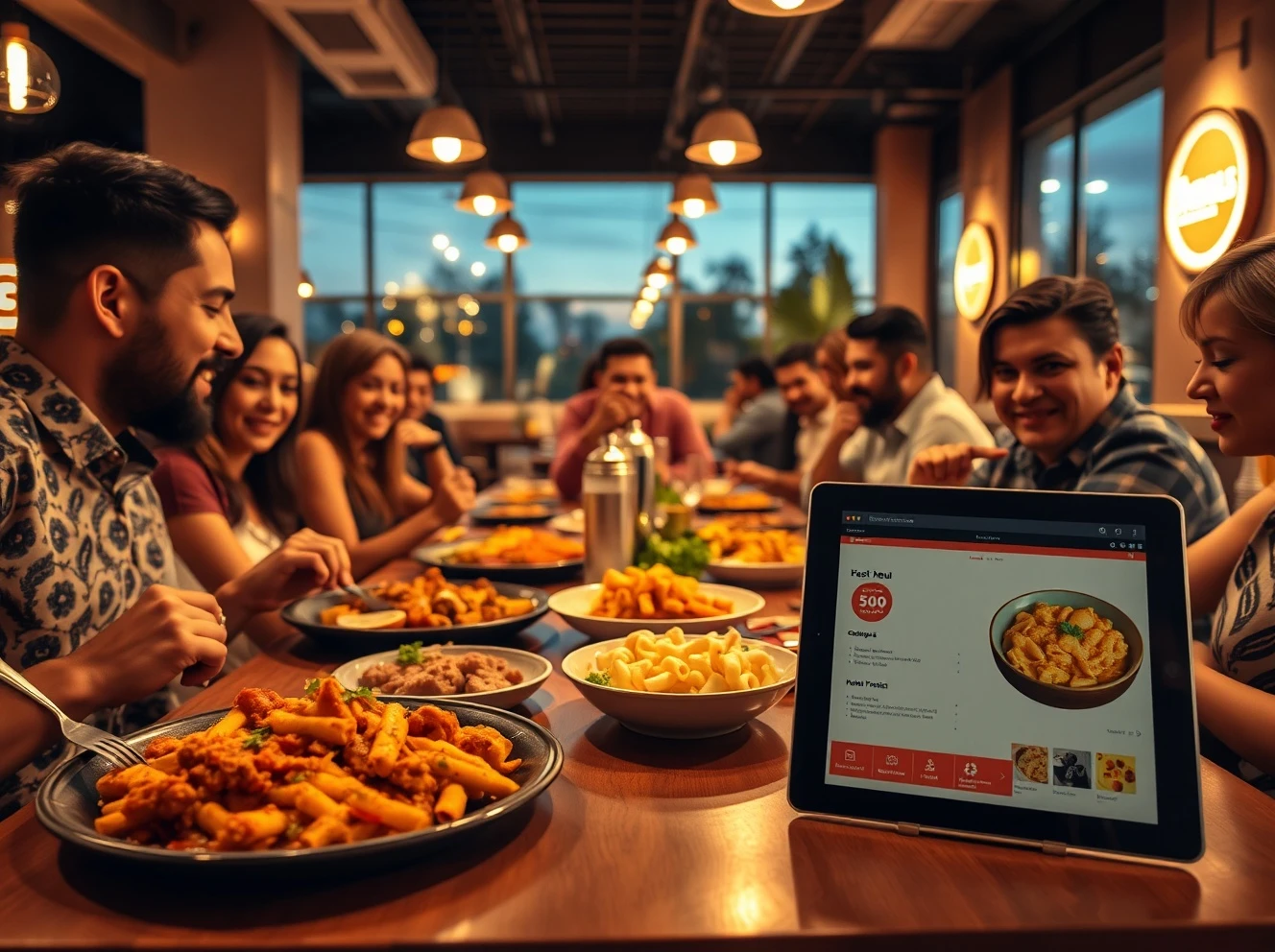
Global culinary landscapes are shifting rapidly, driven by evolving consumer palates and technological integration. Consequently, industry analysts now identify three dominant forces that will define the restaurant experience in 2026: a sustained consumer craving for spicy food, a resilient demand for nostalgic comfort classics, and the complete normalization of sophisticated digital ordering ecosystems. This convergence marks a pivotal moment for the hospitality sector, blending sensory adventure with emotional familiarity through seamless technology.
Restaurant Trends 2026: The Spice Revolution Expands
The consumer appetite for spicy food is not a fleeting trend but a deepening culinary movement. Data from the National Restaurant Association’s annual ‘What’s Hot’ survey consistently ranks global heat and chili-infused dishes among the top five trends for three consecutive years. Furthermore, this demand extends beyond traditional cuisines. Chefs are now incorporating complex heat through various mediums:
- Fermented chili pastes like gochujang and doubanjiang.
- Smoked peppers providing depth beyond pure Scoville units.
- Infused oils and condiments that allow for customizable heat levels.
This trend is partly driven by a more adventurous, globally-connected diner. Moreover, scientific studies, such as those cited in the ‘International Journal of Gastronomy and Food Science,’ suggest capsaicin (the compound that makes peppers hot) can trigger endorphin release. Therefore, restaurants are leveraging this by offering heat-level scales on menus, turning a simple meal into an interactive, sensory experience.
The Enduring Power of Comfort Food Classics
In stark contrast to the adventurous spice trend, the demand for comfort food classics remains unshakable. Dishes like macaroni and cheese, meatloaf, and chicken pot pie provide emotional stability and nostalgia, especially during periods of economic or social uncertainty. Industry reports from firms like Technomic highlight that comfort food menu items saw a 22% increase in orders during recent seasonal fluctuations. Significantly, this trend is evolving beyond simple replication.
Chef-Driven Elevation of Nostalgia
Leading chefs are not just serving classic dishes; they are re-engineering them with high-quality, often locally-sourced ingredients. For example, a classic grilled cheese sandwich might feature artisanal sourdough, aged Gruyère, and house-made tomato jam. This approach, often termed ‘elevated comfort,’ satisfies the emotional craving while meeting modern expectations for ingredient transparency and culinary craftsmanship. Consequently, these items often command higher price points and improve kitchen efficiency through familiar, scalable recipes.
Digital Ordering Systems Become the Central Nervous System
The integration of digital ordering systems has moved far beyond the basic takeout portals of the past. By 2026, these platforms will function as the central nervous system of a restaurant, impacting front and back-of-house operations. The COVID-19 pandemic accelerated this adoption, but the permanence of the shift is now clear. A 2024 Harvard Business Review analysis of service industries confirmed that hybrid digital-physical service models yield higher customer retention rates.
Modern systems integrate several key functions:
| System Function | Operational Impact |
|---|---|
| At-Table QR Code Ordering | Reduces wait times, increases table turnover, minimizes order errors. |
| Integrated Kitchen Display Systems (KDS) | Streamlines ticket flow, improves cook time accuracy, reduces paper waste. |
| Dynamic Menu Management | Allows real-time updates for ingredient availability, promotions, and pricing. |
| Customer Data Platform (CDP) | Enables personalized marketing and loyalty rewards based on order history. |
This technological layer is crucial for managing the complexity of offering both adventurous spicy dishes and time-sensitive comfort foods from the same kitchen. Importantly, it also provides invaluable data on which trend items are most profitable and popular.
Convergence on the Plate and in the Experience
The most successful restaurants in 2026 will not treat these three trends as separate silos. Instead, they will find innovative ways to converge them. Imagine a digitally-ordered, Korean-inspired ‘Kimchi Mac & Cheese’ that blends gochugaru spice with cheesy pasta comfort. Alternatively, a digital menu might use a customer’s past order data to suggest a new spicy ramen bowl after they’ve previously ordered classic tonkotsu. This synergy creates a unique value proposition that competitors cannot easily replicate.
Operationally, this convergence demands strategic planning. Kitchen layouts must accommodate both slow-cooked comfort foods and quick-fire wok stations for spicy stir-fries. Meanwhile, digital systems must present these diverse options in a coherent, navigable way. Restaurants that master this integration will achieve significant competitive advantages in labor management, food cost control, and customer satisfaction.
Conclusion
The defining restaurant trends for 2026 present a compelling narrative of balance. The thrill-seeking demand for spicy food coexists with the grounding appeal of comfort classics. Both are enabled and enhanced by sophisticated, behind-the-scenes digital ordering systems. This triad reflects broader societal desires: exploration and adventure, safety and nostalgia, and seamless convenience. Ultimately, restaurants that skillfully weave these elements into their concept, menu, and service model will not only survive but thrive in the evolving culinary marketplace of 2026.
FAQs
Q1: Why is spicy food becoming so popular in restaurants?
Research indicates a growing consumer interest in global cuisines and flavor exploration. Additionally, capsaicin in chilies can trigger pleasurable endorphin release. Social media also plays a role, as visually striking, spicy dishes are highly shareable online.
Q2: Aren’t comfort food and spicy food trends contradictory?
Not necessarily. While they cater to different desires, many consumers enjoy both. More importantly, chefs are innovating by combining them, creating ‘elevated comfort’ dishes that incorporate spicy elements, thus satisfying multiple cravings in one menu item.
Q3: What is the biggest benefit of advanced digital ordering for restaurants?
Beyond convenience, the greatest benefit is operational data and efficiency. These systems provide real-time insights into inventory, popular menu items, and customer preferences, allowing for better business decisions, reduced waste, and personalized marketing.
Q4: How will digital ordering affect the restaurant staff experience?
It will shift staff roles. While some fear job displacement, the reality is a transition in duties. Servers may become hospitality ambassadors focusing on customer experience rather than order-taking. Meanwhile, kitchen staff can work more efficiently with streamlined digital tickets.
Q5: Are these trends relevant for all types of restaurants, from fast casual to fine dining?
Yes, but the expression will differ. A fast-casual spot might offer a digital kiosk with customizable spice levels for bowls. A fine-dining establishment might use a digital wine pairing suggestion alongside a spicy tasting menu course. The core trends adapt to each service model.