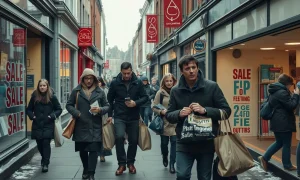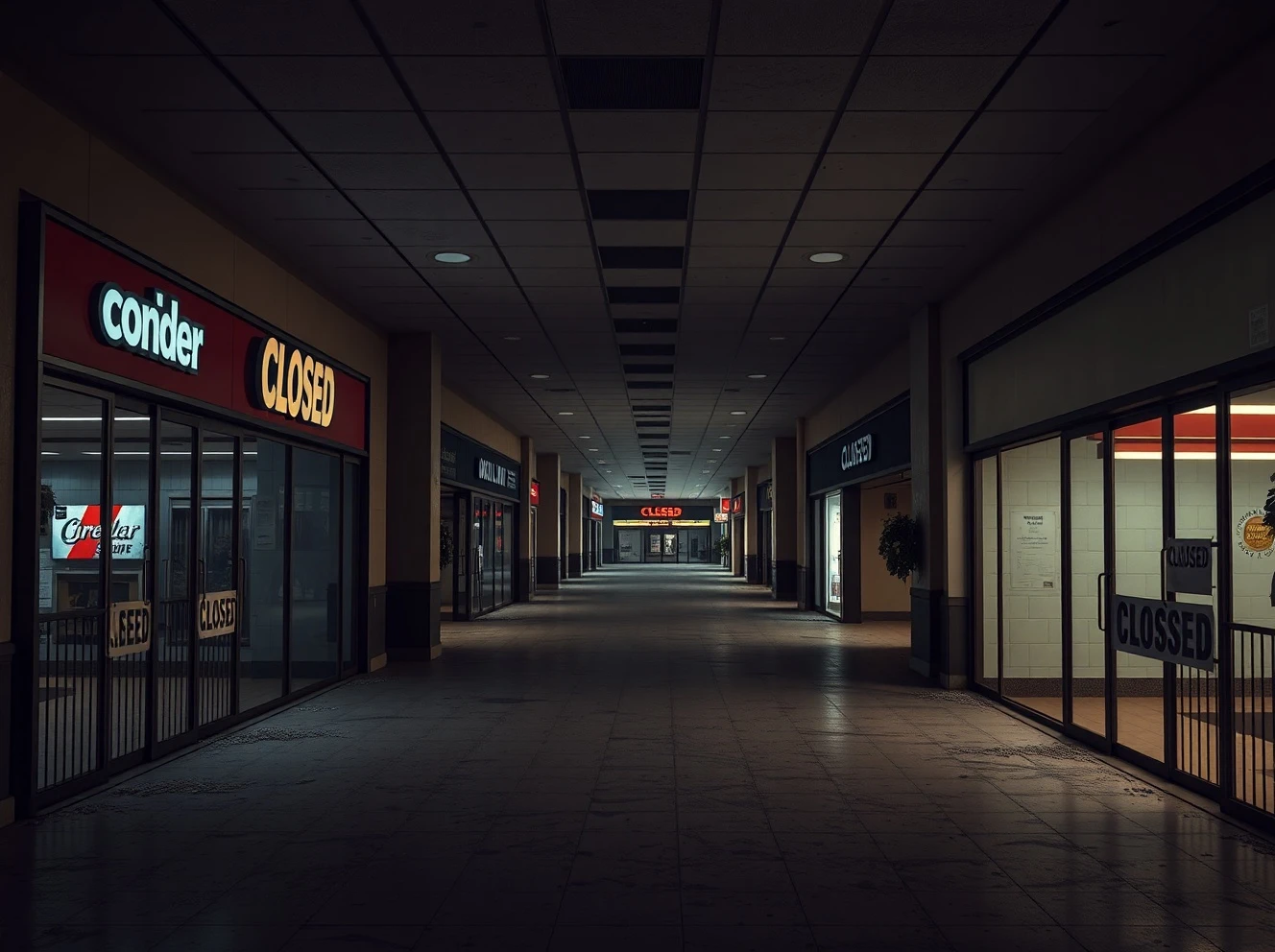
The year 2025 marked a pivotal and tragic turning point for the global retail landscape, as a perfect storm of economic pressures, technological disruption, and shifting consumer habits culminated in a wave of high-profile bankruptcies. Among the casualties, three once-dominant retail brands vanished completely, leaving behind empty storefronts and a stark lesson in market evolution. This analysis delves into the specific factors that led to their collapse, providing a factual timeline and examining the broader implications for the industry.
Retail Bankruptcies 2025: A Market in Transition
The retail sector faced unprecedented challenges throughout the early 2020s. Consequently, many legacy brands struggled to adapt. High inflation squeezed consumer disposable income, while supply chain volatility increased operational costs. Simultaneously, the accelerated adoption of augmented reality shopping and AI-powered personalized e-commerce platforms rendered traditional brick-and-mortar models less competitive. According to market analysts at Retail Insights Group, the fourth quarter of 2024 saw a 40% year-over-year increase in corporate debt distress signals within the mid-market retail segment. This data clearly indicated an impending wave of restructuring. Therefore, the bankruptcies of 2025 were not sudden events but the culmination of a prolonged period of strategic misalignment and financial strain.
The Precursors to Collapse
Several key indicators foreshadowed the coming turmoil. First, a consistent decline in foot traffic plagued physical stores for nearly a decade. Second, many brands carried unsustainable debt loads from leveraged buyouts in the previous decade. Third, a failure to integrate omnichannel experiences seamlessly frustrated modern consumers. For instance, a 2024 consumer survey by Channel Pulse revealed that 68% of shoppers abandoned purchases due to disjointed online and in-store inventory systems. These systemic issues created a vulnerable foundation for the following three brands, which ultimately could not withstand the pressures of 2025.
The Vanished: Homestead Hearth & Hardware
Founded in 1978, Homestead Hearth & Hardware built a reputation as a trusted supplier for home DIY projects and gardening. The brand operated over 1,200 stores across suburban America. However, it filed for Chapter 11 bankruptcy protection in March 2025 and ceased all operations by July after failing to find a buyer. The primary cause was a dramatic loss of market share to large home improvement warehouses and specialized online retailers. Specifically, the company’s digital platform was outdated and its product assortment failed to attract younger homeowners. A comparative analysis of its last financial statements shows a critical vulnerability:
| Metric | 2023 | 2024 (Est.) | Trend |
|---|---|---|---|
| Online Sales % | 15% | 18% | Minimal growth |
| Same-Store Sales | -7% | -12% | Sharp decline |
| Long-term Debt | $2.1B | $2.3B | Increasing |
Furthermore, the brand’s marketing remained focused on traditional circulars, while competitors leveraged targeted social media and project tutorial content. The closure resulted in the loss of approximately 34,000 jobs and left many suburban shopping centers with a significant anchor vacancy.
TechTrendz Electronics: A Failure to Innovate
TechTrendz Electronics, a mall-based chain known for gadgets and accessories, represents a classic case of a retailer being overtaken by the very technology it sold. The company entered bankruptcy in May 2025 and liquidated its 800 stores by September. Its business model relied heavily on impulse purchases and competitive pricing on popular consumer electronics. Unfortunately, manufacturers like Apple and Samsung expanded their direct-to-consumer sales channels aggressively. Meanwhile, e-commerce giants offered wider selection, faster delivery, and easier price comparison. Key missteps included:
- Over-reliance on Mall Traffic: As mall visits declined, TechTrendz had no profitable secondary revenue stream.
- Weak Service Differentiation: It failed to build a service or repair business to complement low-margin hardware sales.
- Inventory Mismanagement: The chain was often overstocked on last-generation technology, leading to massive write-downs.
Industry expert Dr. Lena Rodriguez, a professor of retail management, noted in a June 2025 commentary, “TechTrendz operated as a middleman in a market that increasingly disintermediated the middleman. Their value proposition evaporated when consumers could get expert advice from YouTube and the best price from a warehouse robot.” The brand’s disappearance highlighted the peril for retailers who do not control unique inventory or cultivate a dedicated community.
StyleVault Apparel: The Fast Fashion Flameout
The third major casualty was StyleVault Apparel, a fast-fashion retailer targeting Gen Z. It collapsed with stunning speed, filing for bankruptcy in August 2025 and closing all doors by November. Initially, the brand thrived on social media trends and ultra-low prices. However, a profound shift in consumer values catalyzed its downfall. By 2025, sustainability and ethical production became primary purchase drivers for its core demographic. StyleVault faced intense criticism for its environmental impact and labor practices. Concurrently, new regulatory costs associated with carbon footprint disclosure and textile waste impacted its low-cost model. The brand’s attempts to launch a “green” collection were widely perceived as insincere “greenwashing.” Financially, it was crippled by:
- Rising raw material and shipping costs.
>A tarnished brand reputation that marketing could not repair.
>Intense competition from resale platforms and rental services.
This case demonstrates that in the modern era, a brand’s operational ethics are as critical as its financials. The market simply withdrew its social license to operate.
Broader Impacts and Lasting Lessons
The collective disappearance of these three brands had ripple effects across the economy. Commercial real estate markets, particularly for mid-tier malls, faced renewed pressure. Vendors and suppliers within their ecosystems experienced significant write-offs. Moreover, these bankruptcies served as a stark warning to other retailers. The lessons are clear: digital transformation is non-negotiable, debt must be manageable, and brand values must align authentically with evolving consumer expectations. Analysts now point to 2025 as the year the retail industry’s long-brewing transformation became an irreversible reality.
Conclusion
The retail bankruptcies of 2025 that led to the vanishing of Homestead Hearth, TechTrendz, and StyleVault were not random failures. They were the predictable results of strategic inertia in a dynamically changing world. Each brand fell victim to a distinct combination of digital disruption, financial overextension, and cultural misalignment. Their stories collectively underscore a fundamental truth for the modern marketplace: adaptability, authentic customer connection, and financial resilience are the essential pillars for survival. The landscape reshaped by these 2025 bankruptcies will undoubtedly influence retail strategy for decades to come.
FAQs
Q1: What was the main cause of the 2025 retail bankruptcies?
The primary cause was a combination of factors: high corporate debt, an inability to compete with integrated digital commerce, and a rapid shift in consumer values toward sustainability and convenience. Economic pressures like inflation acted as an accelerant.
Q2: Could these bankruptcies have been prevented?
Analysts suggest earlier and more aggressive strategic pivots could have helped. This includes investing in robust e-commerce, reducing physical footprints sooner, and authentically addressing sustainability concerns before they became existential threats.
Q3: What happened to the employees of these vanished brands?
Most employees received severance based on bankruptcy court proceedings, but widespread job loss occurred. Some found positions with competing retailers, while others transitioned to different sectors. The closures contributed to regional employment challenges.
Q4: Are other retail brands at similar risk?
Yes, brands with high debt, weak digital integration, and unclear brand values remain vulnerable. The market continues to consolidate around players with strong omnichannel capabilities and loyal customer communities.
Q5: What should investors look for to identify resilient retailers?
Investors now prioritize strong free cash flow, a healthy balance sheet with low debt, a proven omnichannel model, and a brand with a genuine, defensible connection to its customer base that goes beyond mere transactions.