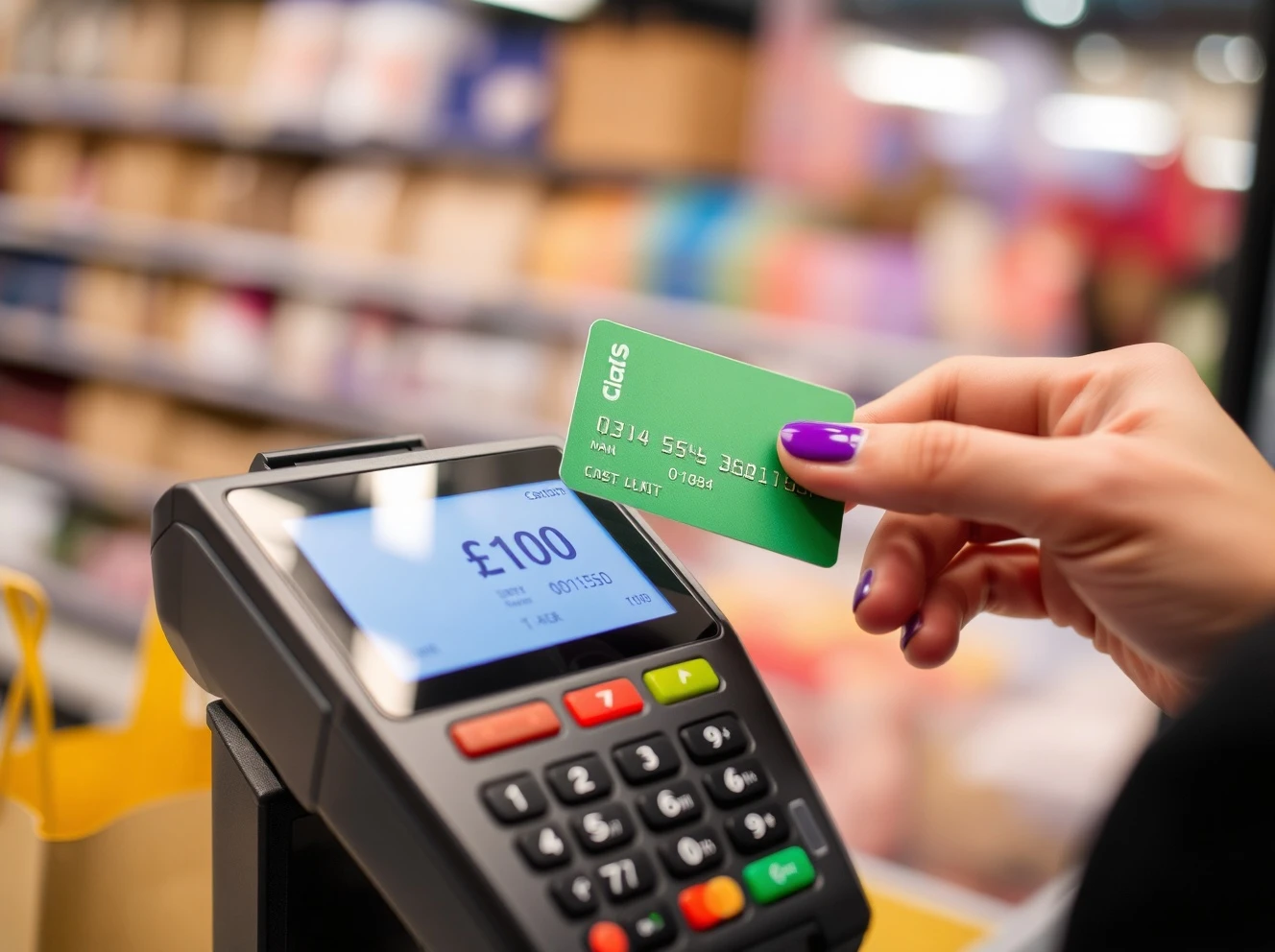
Millions of UK consumers face a fundamental shift in payment habits as financial regulators announce the removal of the £100 contactless card limit, granting banks unprecedented freedom to set their own transaction caps from March 2025. This regulatory change represents the most significant evolution in contactless payment policy since the technology’s introduction nearly two decades ago, potentially transforming how Britons conduct everyday transactions while raising important questions about security and consumer protection.
The End of the £100 Contactless Payment Limit Era
The Financial Conduct Authority confirmed this week that banks and card providers will soon determine their own maximum contactless payment limits. Consequently, this move eliminates the long-standing £100 cap that has governed tap-and-go transactions since 2021. Financial institutions now possess complete flexibility to establish higher limits or remove caps entirely without requiring customers to enter their PIN for verification.
David Geale, the FCA’s executive director of payments and digital finance, emphasized the regulator’s balanced approach. “Contactless represents people’s preferred payment method,” he stated. “Our updated rules provide necessary flexibility for future innovation while maintaining essential consumer protections.”
Historical Context of Contactless Evolution
Contactless payments debuted in the United Kingdom in 2007 with a modest £10 limit. The ceiling gradually increased over subsequent years, reaching £30 in 2015, £45 in 2020, and finally £100 in October 2021. Significantly, the COVID-19 pandemic accelerated adoption rates as consumers sought hygienic payment alternatives. Currently, approximately 87% of UK adults use contactless payments regularly, with tap-and-go transactions representing nearly two-thirds of all card payments.
Consumer Concerns and Security Implications
Despite regulatory approval, consumer appetite for higher limits appears surprisingly muted. An FCA consultation survey revealed that 78% of respondents opposed changing the existing £100 limit. Primary concerns centered on three key areas:
- Fraud vulnerability: Increased attractiveness to criminals
- Theft consequences: Greater potential losses from stolen cards
- Accidental overspending: Reduced friction in payment decisions
Academic researchers and consumer advocacy groups echo these worries. Dr. Sarah Chen, a financial behavior specialist at Cambridge University, explains: “Higher contactless limits fundamentally alter the psychological dynamics of spending. The absence of authentication friction may encourage impulsive purchases, particularly with credit products where consumers aren’t immediately spending their own money.”
Existing Security Safeguards and Protections
The banking industry maintains multiple security layers for contactless transactions. Current systems require PIN entry after consecutive contactless payments or when cumulative spending reaches specific thresholds. Additionally, all UK-regulated payment providers must refund unauthorized transactions unless they can prove customer negligence. Jana Mackintosh of UK Finance reassures consumers: “Financial institutions will implement any changes cautiously with robust security measures remaining firmly in place.”
International Comparisons and Market Context
The UK’s regulatory shift aligns with international trends. Several countries already permit financial institutions to determine their own contactless limits:
| Country | Contactless Limit Policy | Typical Maximum |
|---|---|---|
| Canada | Bank-determined | CA$250 (≈£145) |
| Australia | Bank-determined | AU$200 (≈£105) |
| New Zealand | Bank-determined | NZ$200 (≈£95) |
| European Union | €50 standard (varies) | €50-€100 (≈£43-£86) |
Interestingly, smartphone payments using biometric authentication already permit unlimited spending in the UK. This technological disparity between card-based and device-based contactless payments created regulatory pressure for harmonization.
Broader Financial Inclusion Considerations
This regulatory change occurs alongside ongoing efforts to preserve cash access for vulnerable populations. Cash Access UK recently opened its 200th shared banking hub, providing face-to-face services in communities affected by branch closures. Financial abuse charities express particular concern about higher contactless limits potentially enabling abusers to drain victims’ accounts more rapidly.
Emma Richardson of the Financial Vulnerability Network warns: “While most consumers will benefit from increased convenience, we must ensure adequate safeguards protect those at risk of financial exploitation. The ability for customers to set personal limits or disable contactless entirely represents a crucial protection mechanism.”
Industry Implementation Timeline and Approach
The FCA explicitly states that banks shouldn’t immediately raise limits. Instead, financial institutions will develop implementation strategies throughout 2025, potentially offering customers various options:
- Customizable personal limits set via banking apps
- Tiered limits based on transaction categories
- Enhanced monitoring and alert systems
- Opt-in requirements for higher limits
Major UK banks including Barclays, HSBC, Lloyds, and NatWest indicate they will proceed cautiously, with most planning gradual implementations and extensive customer communication campaigns.
Economic and Behavioral Implications
Higher contactless limits could influence consumer spending patterns and retail operations. Retail analysts suggest several potential impacts:
- Faster transaction processing in high-value retail environments
- Reduced queue times during peak shopping periods
- Potential increase in average transaction values
- Shift in payment method preferences for medium-value purchases
However, behavioral economists caution that reduced payment friction might decrease financial mindfulness. “The psychological ‘pain of paying’ diminishes with contactless transactions,” notes Professor Michael Torres of the London School of Economics. “While convenient, this could potentially affect budgeting discipline for some consumers.”
Conclusion
The elimination of the £100 contactless payment limit marks a pivotal moment in UK financial services, reflecting both technological advancement and evolving consumer behavior. While banks gain unprecedented flexibility to design payment products, the ultimate success of this regulatory change depends on balanced implementation that prioritizes security alongside convenience. As financial institutions develop their approaches throughout 2025, consumer education and transparent communication will prove essential. The coming months will reveal whether UK consumers embrace higher contactless limits or prefer maintaining current thresholds, ultimately determining the practical impact of this significant regulatory shift.
FAQs
Q1: When will banks be allowed to increase contactless payment limits?
Banks gain regulatory permission to set their own contactless limits from March 2025, though most institutions plan gradual implementations throughout the year rather than immediate changes.
Q2: Will I be forced to accept higher contactless limits?
No. The FCA requires banks to provide customer controls, including options to set personal limits, disable contactless functionality entirely, or opt-in to higher limits rather than automatic enrollment.
Q3: How does this change affect fraud protection?
Existing fraud protections remain unchanged. UK regulations require banks to refund unauthorized transactions unless they prove customer negligence. Financial institutions must maintain robust security measures alongside any limit increases.
Q4: Why is the FCA making this change now?
The regulator cites several factors: technological advancement, alignment with smartphone payment capabilities, international harmonization, and providing flexibility for future payment innovation while maintaining consumer protections.
Q5: Can I still use cash if I prefer it?
Yes. This regulatory change occurs alongside initiatives to preserve cash access. Cash Access UK continues expanding shared banking hubs, with 200 now operational nationwide to support communities affected by branch closures.