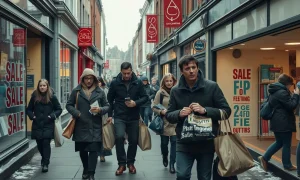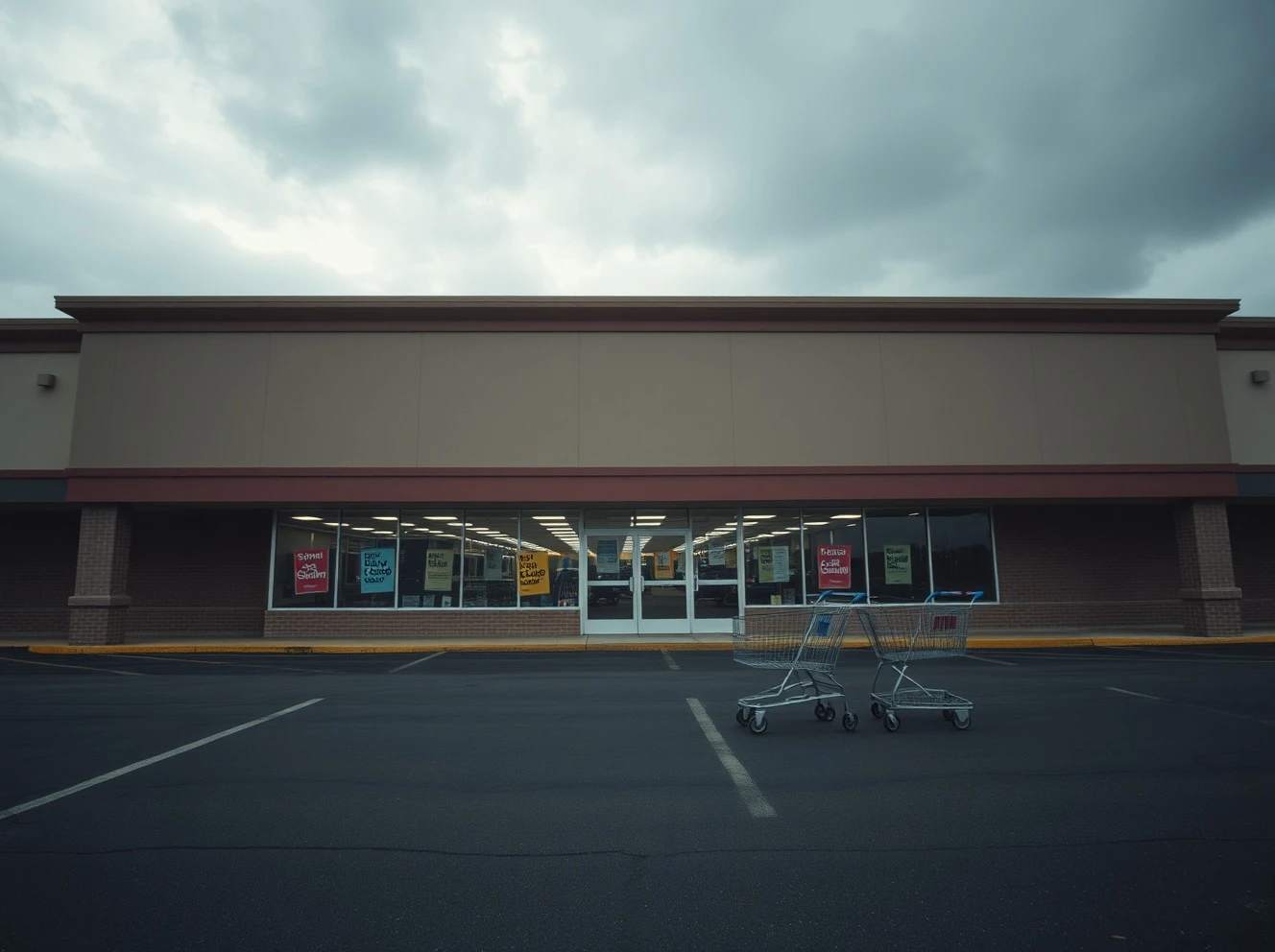
Across the United States, a familiar fixture of the suburban shopping landscape is undergoing a quiet but significant transformation. A 62-year-old retail chain, a name once synonymous with dependable household goods, is systematically closing stores. This strategic retreat, often executed without fanfare, represents more than a corporate downsizing. Consequently, it serves as a potent indicator of the profound and ongoing upheaval within the American retail sector, driven by evolving consumer behavior and intense economic pressures.
Analyzing the Wave of US Retail Chain Closures
The phenomenon of store closures is not isolated. However, the methodical, quiet shuttering of locations by this established chain provides a critical case study. For instance, industry analysts point to a confluence of factors. First, the relentless growth of e-commerce giants continues to erode foot traffic. Second, shifting consumer preferences favor experiences and convenience over traditional big-box browsing. Furthermore, operational costs, including commercial rents and wages, have risen steadily. This chain’s response, a strategic reduction of its physical footprint, mirrors a broader industry trend toward optimizing fewer, more efficient locations.
Recent data from commercial real estate firms shows a marked increase in retail vacancy rates in regions where these closures occur. Local economies often feel the immediate impact through job losses and reduced shopping center traffic. Therefore, each closure creates a ripple effect, influencing nearby businesses and municipal tax bases. The table below outlines the primary drivers identified by retail analysts:
| Driver | Impact on Physical Retail |
|---|---|
| E-commerce Dominance | Direct sales competition and reduced in-store footfall. |
| Consumer Preference Shift | Demand for omnichannel (online/in-store) integration and experiential retail. |
| Operational Cost Inflation | Pressure on profitability from rent, labor, and supply chain expenses. |
| Over-retailed Markets | Too many stores competing for a stable or shrinking customer base. |
The Historical Context and Modern Pressures
Founded in the early 1960s, this chain expanded rapidly during the era of suburbanization and mall culture. For decades, its business model thrived. Nevertheless, the retail environment of the 2020s presents fundamentally different challenges. The digital transformation of shopping accelerated dramatically, a shift compounded by recent economic volatility. As a result, legacy retailers anchored in large physical spaces now face an existential need to adapt.
Expert commentary from academic and financial institutions consistently highlights this pivot. Dr. Elena Rodriguez, a professor of retail management, notes, “The retailers surviving today are those aggressively investing in their digital platforms while reimagining their remaining stores as fulfillment hubs or community touchpoints. A quiet closure program is often a precursor to a larger strategic reboot.” This perspective underscores that closures are frequently a component of a calculated corporate restructuring plan aimed at long-term viability.
Evidence from Financial and Real Estate Filings
Tangible evidence of this trend emerges from public records. Securities and Exchange Commission (SEC) filings from the parent company often hint at “portfolio optimization” and “lease rationalization.” Similarly, local government filings for business licenses show non-renewals in specific markets. Commercial real estate databases concurrently list these properties as “available” or “dark.” This multi-source evidence confirms the closures are a deliberate corporate strategy, not a series of unrelated local failures. The chain appears to be retreating from regions with:
- High market saturation with competing retailers.
- Underperforming sales metrics over consecutive quarters.
- Unfavorable long-term lease agreements set to expire.
Conclusion
The quiet closure of stores by this 62-year-old US retail chain is a significant event in the commercial landscape. It reflects powerful, systemic forces reshaping where and how Americans shop. While these retail store closures signal the end of an era for certain communities, they also mark a necessary evolution for the business itself. The ultimate success of this and other legacy chains will depend on their ability to balance a leaner physical presence with a robust and seamless digital shopping experience. The story of these shuttering stores is, fundamentally, a story of adaptation in an increasingly digital marketplace.
FAQs
Q1: Which specific retail chain is closing stores?
While the company has not announced a nationwide closure list, analysis of local news reports and commercial real estate data indicates a pattern of closures affecting a major national discount or department store chain with roots in the 1960s. Official statements typically reference “optimizing the store portfolio.”
Q2: Why are the closures described as “quiet”?
Unlike high-profile bankruptcy liquidations, these closures often occur without major national press releases. Stores may run final sales and close over a period of months, with the corporate strategy being communicated through financial channels rather than consumer advertising.
Q3: What happens to the employees at closing stores?
Policies vary, but large chains often offer severance packages or attempt to transfer employees to nearby locations. However, the net effect is typically a reduction in total retail employment within the affected area.
Q4: How do store closures affect local communities?
Closures can lead to job losses, reduce foot traffic for neighboring businesses, create vacant commercial spaces that may depress property values, and decrease local sales tax revenue for municipalities.
Q5: Is this a sign that physical retail is dying?
No, it is a sign of radical transformation. Physical retail is not dying but evolving. Successful retailers are integrating stores with online operations, using them for order pickup, returns, and enhanced customer experiences that cannot be replicated online.