In a comprehensive market analysis released this week, a veteran semiconductor analyst with over twenty-five years of industry experience delivered a remarkably blunt assessment of Intel Corporation’s current position and future prospects. The detailed report, originating from New York financial research firm Bernstein & Co., examines Intel’s multifaceted challenges within the rapidly evolving 2025 semiconductor landscape. This analysis arrives during a critical period for the chip manufacturer as it navigates intense competition, manufacturing transitions, and shifting market dynamics that could significantly impact Intel stock performance in coming quarters.
Intel Stock Analysis Reveals Structural Challenges
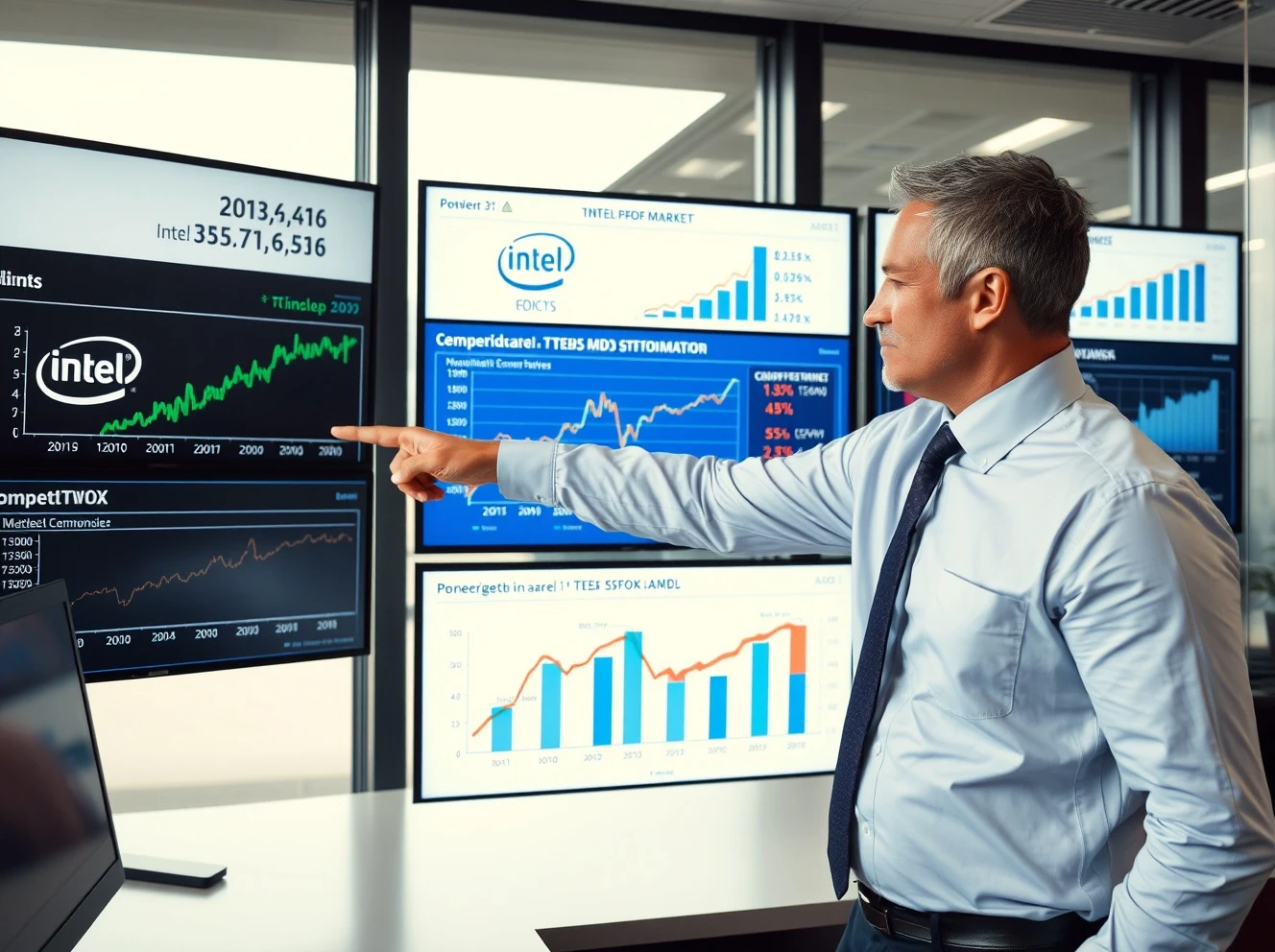
The veteran analyst’s report systematically examines Intel’s competitive positioning across multiple business segments. According to semiconductor industry data from the Semiconductor Industry Association, Intel’s market share in key segments has declined from 80% in 2015 to approximately 60% in 2025. This erosion stems from several interconnected factors that the analysis highlights with particular clarity. The report emphasizes that Intel faces simultaneous challenges in process technology, product design, and manufacturing execution that collectively create significant headwinds for the company’s recovery efforts.
Furthermore, the analysis provides specific data points regarding Intel’s financial performance relative to competitors. For instance, Intel’s gross margins have compressed from approximately 62% in 2020 to around 48% in the most recent quarter. Meanwhile, competitors like AMD and Nvidia have expanded their margins during the same period. The analyst notes that this margin pressure reflects both competitive pricing dynamics and Intel’s higher manufacturing costs associated with its integrated device manufacturer (IDM) model. These financial metrics provide crucial context for understanding the company’s current valuation and future growth potential.
Semiconductor Manufacturing Landscape in 2025
The manufacturing technology gap represents perhaps the most significant challenge highlighted in the analysis. According to industry tracking by TechInsights, Intel currently trails Taiwan Semiconductor Manufacturing Company (TSMC) by approximately two years in process node technology. While Intel has announced aggressive plans to regain leadership through its “five nodes in four years” strategy, the analyst expresses measured skepticism about execution timelines. The report references historical data showing that semiconductor manufacturing transitions typically encounter unexpected delays and yield challenges, particularly when attempting accelerated schedules.
Competitive Dynamics and Market Positioning
Beyond manufacturing, the analysis examines Intel’s competitive positioning across its core business segments. In the data center market, which represents Intel’s most profitable segment, the company faces unprecedented competition from AMD’s EPYC processors and Arm-based solutions from Amazon, Ampere, and others. Market share data from Mercury Research indicates that Intel’s data center CPU share has declined from over 99% in 2017 to approximately 70% in 2025. This erosion has direct implications for both revenue growth and profitability, as the data center segment traditionally generates higher margins than Intel’s client computing business.
The client computing segment presents additional challenges according to the analysis. While Intel maintains strong relationships with PC manufacturers, the rise of Arm-based processors from Apple and Qualcomm has created new competitive dynamics. The analyst notes that Apple’s transition to its own silicon for Mac computers has removed a significant portion of high-margin business from Intel’s addressable market. Additionally, the growing importance of energy efficiency in mobile computing favors architectures that traditionally excel in performance-per-watt metrics, an area where Intel has historically faced challenges relative to Arm-based designs.
Financial Metrics and Valuation Considerations
The veteran analyst’s report includes detailed financial analysis comparing Intel’s metrics with semiconductor industry benchmarks. The following table illustrates key financial ratios for Intel compared to semiconductor industry averages:
| Financial Metric | Intel Corporation | Semiconductor Industry Average |
|---|---|---|
| Price-to-Earnings Ratio | 15.2 | 22.8 |
| Gross Margin | 48.3% | 54.7% |
| Research & Development/Sales | 19.1% | 15.4% |
| Free Cash Flow Yield | 3.2% | 4.1% |
These metrics reveal several important trends. Intel’s lower price-to-earnings ratio reflects market skepticism about future growth prospects. The company’s elevated research and development spending as a percentage of sales indicates the substantial investments required to regain technological leadership. Meanwhile, the lower gross margins highlight manufacturing cost challenges relative to fabless competitors that utilize TSMC’s advanced nodes. The analyst emphasizes that these financial metrics must improve significantly for Intel to justify a higher valuation multiple.
Strategic Initiatives and Potential Catalysts
Despite the sobering assessment, the analysis acknowledges several strategic initiatives that could potentially improve Intel’s position. The company’s foundry services business represents a significant long-term opportunity, though the analyst notes substantial execution risks. Intel Foundry Services aims to become the world’s second-largest foundry by 2030, competing directly with TSMC and Samsung. However, the report highlights that building a competitive foundry business requires:
- Substantial capital investment exceeding $100 billion over several years
- Demonstrated process technology leadership to attract external customers
- Cultural transformation from an IDM to a service-oriented foundry model
- Successful execution on the “five nodes in four years” roadmap
The analyst also examines Intel’s product roadmap, particularly the upcoming Arrow Lake and Lunar Lake processor families. These products will incorporate both architectural improvements and advanced packaging technologies that could help close the performance gap with competitors. However, the report emphasizes that product execution alone may not be sufficient without corresponding improvements in manufacturing economics and cost structure.
Market Context and Historical Precedents
To provide proper context, the analysis examines historical semiconductor industry transitions and corporate turnarounds. The veteran analyst references several relevant case studies, including IBM’s strategic repositioning in the 1990s and AMD’s remarkable turnaround under Dr. Lisa Su. These historical examples illustrate that while semiconductor industry transitions are challenging, they are not impossible. However, the report notes that successful turnarounds typically require:
- Clear strategic focus on core competencies
- Substantial financial resources to fund transformation
- Strong execution across multiple business functions
- Favorable market conditions that support the transition
The analysis concludes that Intel possesses the financial resources necessary for transformation but faces exceptional execution challenges given the simultaneous transitions required across manufacturing, products, and business models. The competitive intensity of the current semiconductor landscape further complicates this transformation, as rivals continue advancing their own technologies and market positions.
Conclusion
The veteran analyst’s comprehensive Intel stock analysis presents a balanced yet sobering assessment of the semiconductor giant’s challenges and opportunities. While acknowledging Intel’s substantial resources and strategic initiatives, the report emphasizes the significant execution risks and competitive pressures facing the company. For investors considering Intel stock, the analysis suggests careful evaluation of the company’s ability to execute on its ambitious transformation agenda while navigating an increasingly competitive semiconductor landscape. The blunt message underscores that Intel’s path to regaining technology leadership and improving financial performance remains fraught with challenges that will require exceptional execution across multiple business dimensions.
FAQs
Q1: What are the main factors behind the veteran analyst’s cautious assessment of Intel stock?
The analysis highlights multiple challenges including process technology delays, competitive pressure in data center and client segments, margin compression, and execution risks associated with Intel’s foundry strategy and manufacturing roadmap.
Q2: How does Intel’s manufacturing technology compare to TSMC in 2025?
According to industry analysts, Intel currently trails TSMC by approximately two years in process node technology, though the company has announced aggressive plans to regain leadership through its accelerated node transition strategy.
Q3: What is Intel’s market share position in key semiconductor segments?
Intel maintains approximately 60% market share in PC processors and 70% in data center CPUs, representing significant declines from previous decades when the company dominated these segments with over 80% share.
Q4: What strategic initiatives could potentially improve Intel’s position?
Key initiatives include the foundry services business, advanced packaging technologies, architectural improvements in upcoming processor families, and cost structure optimization through manufacturing improvements.
Q5: How does Intel’s valuation compare to semiconductor industry averages?
Intel trades at a discount to semiconductor industry averages on multiple metrics including price-to-earnings ratio and free cash flow yield, reflecting market skepticism about the company’s growth prospects and execution capabilities.