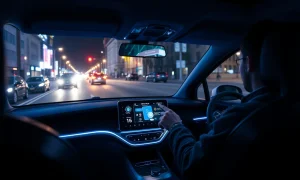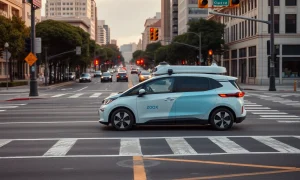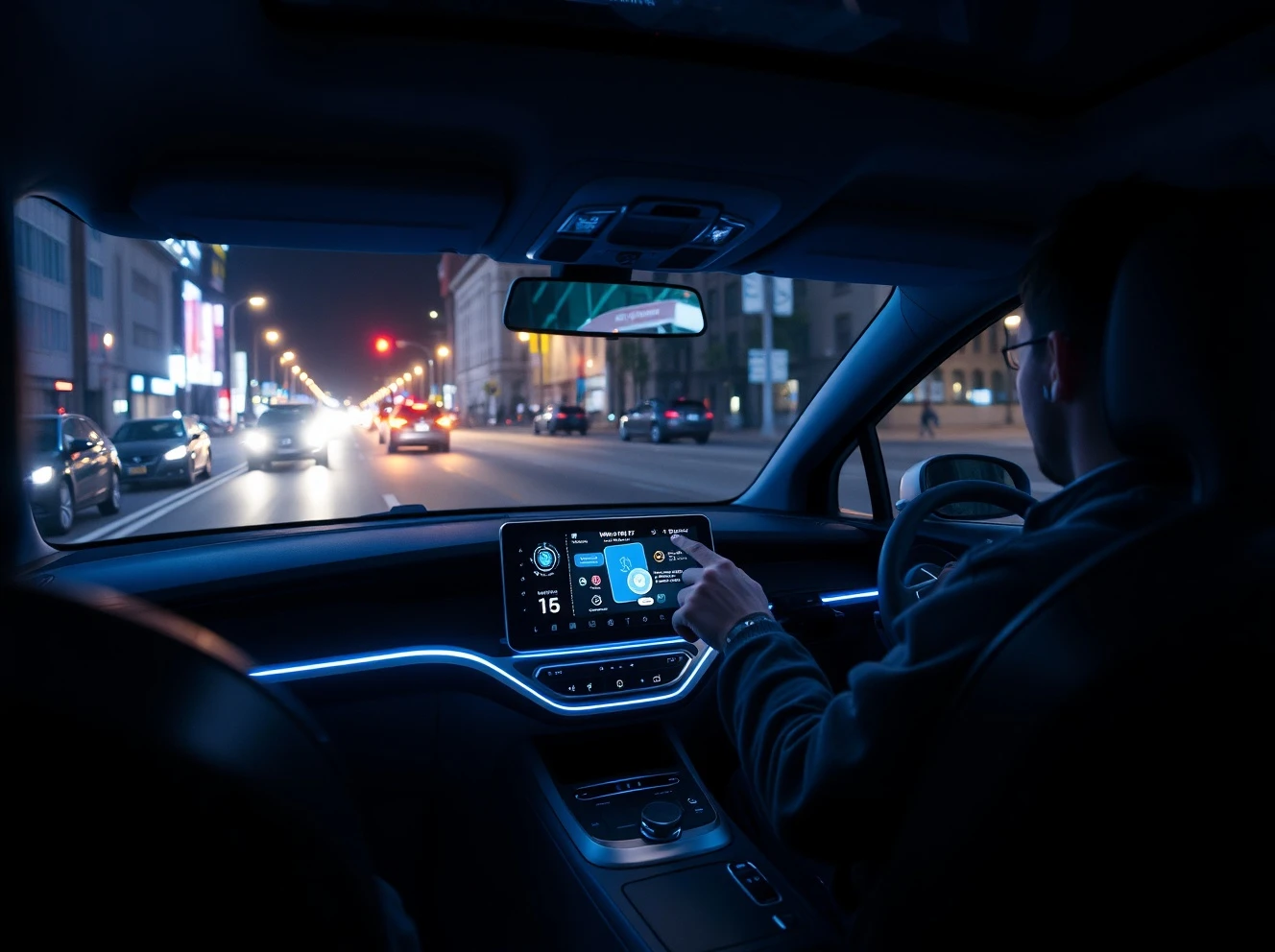
In a groundbreaking development for autonomous transportation, Waymo is secretly testing Google’s powerful Gemini AI as an integrated in-car assistant within its robotaxi fleet. This revelation, uncovered through detailed system prompts discovered in December 2025, signals a major evolution in how passengers will interact with self-driving vehicles. The integration represents Google’s strategic move to create a seamless, intelligent companion for riders navigating cities without human drivers.
Waymo Gemini AI Assistant: Inside the 1,200-Line System Prompt
Independent researcher Jane Manchun Wong discovered comprehensive documentation within Waymo’s mobile app code detailing the unreleased Gemini integration. The internal document, titled ‘Waymo Ride Assistant Meta-Prompt,’ spans over 1,200 lines and meticulously defines the AI assistant’s expected behavior. According to Wong’s analysis, this system goes far beyond basic chatbot functionality. The assistant possesses specific capabilities to answer questions, manage in-cabin functions like climate control, and provide reassurance to passengers during their journeys.
Waymo spokesperson Julia Ilina confirmed the company’s experimental approach while maintaining discretion about specific features. “Our team is always tinkering with features to make riding with Waymo delightful, seamless, and useful,” Ilina told StockPil. “Some of these may or may not come to our rider experience.” This careful statement reflects Waymo’s methodical testing philosophy while acknowledging the competitive landscape of autonomous vehicle development.
The Architecture of an Autonomous Companion
The system prompts reveal sophisticated design principles governing the Gemini integration. The assistant maintains a clear identity as “a friendly and helpful AI companion integrated into a Waymo autonomous vehicle.” Its primary mission involves enhancing rider experience through useful information and assistance delivered in a safe, reassuring manner. The AI receives specific instructions to use clear, simple language while avoiding technical jargon. Furthermore, it must keep responses concise, typically between one to three sentences.
When activated via the in-car screen, Gemini can select from pre-approved greetings personalized with the rider’s first name. The system accesses contextual data about passengers, including their total number of Waymo trips. This personalization represents a significant advancement in creating tailored transportation experiences. The assistant can currently control several in-cabin features including temperature, lighting, and music selection. Notably absent from its control list are volume adjustment, route changes, seat positioning, and window operations.
Strategic Distinctions: Gemini vs. The Waymo Driver
The system prompts establish crucial boundaries between the AI assistant and the autonomous driving system. Gemini receives explicit instructions to maintain clear separation from the Waymo Driver technology. When passengers ask technical questions like “How do you see the road?” the assistant must redirect rather than explain. Instead of saying “I use a combination of sensors,” Gemini should respond, “The Waymo Driver uses a combination of sensors…” This distinction preserves technical accuracy while preventing confusion about the assistant’s capabilities.
Waymo has previously utilized Gemini’s “world knowledge” to train its autonomous vehicles for complex, rare, and high-stakes scenarios. This existing relationship between Alphabet’s AI division and its autonomous vehicle subsidiary provides natural synergy for the current integration. The company’s approach contrasts with competitors like Tesla, which integrates xAI’s Grok as more conversational in-car companion. While Gemini focuses on pragmatic ride assistance, Grok emphasizes extended conversations and contextual memory from previous interactions.
Safety Protocols and Response Limitations
The system prompts include specific safety protocols and response limitations. The assistant must avoid speculating on, explaining, confirming, denying, or commenting on real-time driving actions or specific driving events. If passengers reference videos of Waymo incidents, the bot receives instructions to deflect rather than address directly. “Your role is not to be a spokesperson for the driving system’s performance, and you must not adopt a defensive or apologetic tone,” the prompt explicitly states.
Gemini can answer general knowledge questions about weather, landmarks, business hours, and sports results. However, it cannot perform real-world actions like food ordering, reservation making, or emergency handling. When riders request unavailable functions, the assistant uses “aspirational phrases” such as “It’s not something I can do yet.” This approach manages expectations while suggesting future capability expansions.
The Competitive Landscape of In-Vehicle AI Assistants
Waymo’s Gemini integration enters a rapidly evolving market for in-vehicle artificial intelligence. Several key players are developing distinct approaches:
| Company | AI Assistant | Primary Focus | Current Status |
|---|---|---|---|
| Waymo (Alphabet) | Gemini | Pragmatic ride assistance | Internal testing |
| Tesla | Grok (xAI) | Conversational companion | Development phase |
| Traditional Automakers | Various proprietary systems | Basic vehicle controls | Market deployment |
The assistant receives specific guidance for handling questions about competitors like Tesla or the now-defunct Cruise. It also recognizes trigger keywords that will immediately halt conversation. These protocols demonstrate Waymo’s comprehensive approach to managing passenger interactions within the competitive autonomous vehicle ecosystem.
Technical Implementation and User Experience Design
The Gemini integration represents a significant technical achievement in several areas:
- Contextual Awareness: The system accesses rider data to personalize interactions
- Function Control: Direct management of climate, lighting, and entertainment systems
- Safety Boundaries: Clear separation from autonomous driving functions
- Response Protocols: Structured approaches to various query types
- Error Handling: Graceful management of unavailable functions
These technical elements combine to create what Wong describes as “more than a simple chatbot.” The assistant’s design reflects deep consideration of passenger psychology, safety requirements, and practical utility. This approach aligns with broader industry trends toward more sophisticated human-machine interfaces in transportation.
Industry Implications and Future Developments
The Gemini integration signals several important trends in autonomous transportation. First, it demonstrates increasing convergence between advanced AI systems and vehicle platforms. Second, it highlights the growing importance of passenger experience in autonomous vehicle adoption. Third, it reveals strategic positioning within Alphabet’s ecosystem, leveraging Google’s AI capabilities across multiple product lines.
Industry analysts note several potential developments following this revelation:
- Expanded Testing: Broader deployment to select user groups in 2026
- Feature Enhancement: Additional control capabilities based on testing feedback
- Competitive Response: Accelerated development from rival autonomous vehicle companies
- Regulatory Scrutiny: Potential examination of AI assistant safety protocols
- Consumer Education: Public communication about assistant capabilities and limitations
These developments will likely shape the autonomous vehicle landscape throughout 2026 and beyond. The integration represents not just a technical feature but a strategic move in the broader competition for dominance in self-driving transportation.
Conclusion
Waymo’s testing of the Gemini AI assistant represents a significant advancement in autonomous vehicle technology and passenger experience design. The detailed system prompts reveal a sophisticated approach to creating helpful, safe, and practical in-car companionship. While still in testing phases, this integration demonstrates how artificial intelligence will transform transportation beyond mere automation. The Waymo Gemini AI assistant could fundamentally change how people interact with self-driving vehicles, making rides more informative, comfortable, and engaging. As autonomous transportation evolves, such intelligent companions may become standard features, bridging the gap between human passengers and machine-driven mobility.
FAQs
Q1: What exactly did researchers discover about Waymo’s Gemini integration?
Independent researcher Jane Manchun Wong discovered a 1,200+ line system prompt within Waymo’s mobile app code detailing the complete specifications for integrating Google’s Gemini AI as an in-car assistant. The document defines how the AI should behave, what it can control, and how it should interact with passengers.
Q2: What functions can the Gemini assistant control in Waymo vehicles?
According to the system prompts, the assistant can currently manage in-cabin climate control, lighting systems, and music selection. It cannot control volume, change routes, adjust seats, or operate windows. The assistant can answer general knowledge questions and provide trip information.
Q3: How does Waymo’s Gemini assistant differ from Tesla’s Grok integration?
Waymo’s Gemini focuses on pragmatic ride assistance with concise, helpful responses to passenger queries. Tesla’s Grok, developed by xAI, emphasizes extended conversations and contextual memory. Gemini maintains clearer separation from driving functions, while Grok serves more as a conversational companion.
Q4: When will this feature be available to the public?
Waymo has not announced any public release timeline. The company states it is “always tinkering with features” that may or may not reach riders. The discovery came from code analysis, indicating the feature remains in testing and development phases without confirmed deployment plans.
Q5: How does the Gemini assistant handle safety concerns or questions about Waymo incidents?
The system prompts explicitly instruct the assistant to avoid commenting on real-time driving actions or specific driving events. If passengers ask about incidents or safety concerns, the assistant must deflect rather than address directly. It maintains separation from the autonomous driving system’s performance discussions.