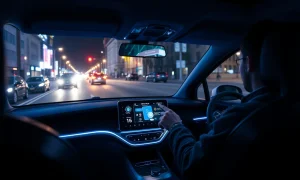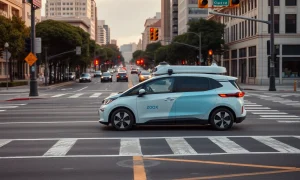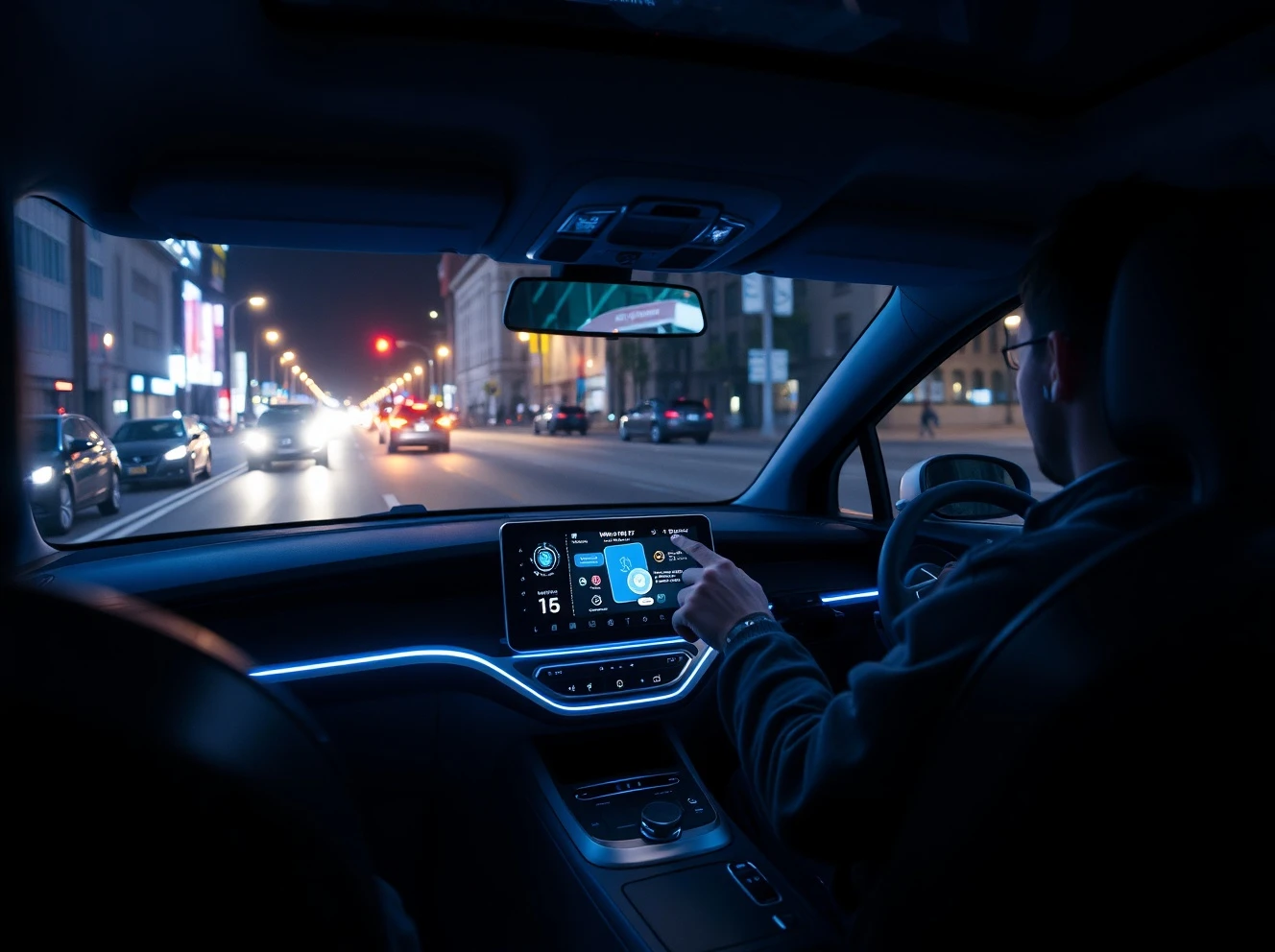
In a groundbreaking development for autonomous transportation, Waymo is secretly testing Google’s Gemini AI as an in-car companion for its robotaxis, fundamentally transforming the passenger experience from silent rides to interactive journeys. This strategic integration, discovered through advanced app analysis in December 2025, represents a significant evolution in how artificial intelligence enhances human interaction with self-driving technology, moving beyond mere transportation to create intelligent, responsive mobility ecosystems.
Waymo’s Gemini AI Assistant Discovery and Development
Renowned researcher Jane Manchun Wong uncovered Waymo’s ambitious project through meticulous analysis of the company’s mobile application code. Her investigation revealed a comprehensive 1,200-line system prompt titled ‘Waymo Ride Assistant Meta-Prompt,’ providing detailed behavioral guidelines for the AI assistant. This discovery indicates advanced testing phases rather than preliminary exploration. Waymo’s spokesperson confirmed ongoing experimentation while maintaining strategic ambiguity about official launch timelines. The system prompt’s complexity demonstrates sophisticated planning for real-world implementation, with careful consideration of user interaction patterns and safety protocols. This development follows Waymo’s established practice of using Gemini’s world knowledge to train autonomous systems on rare driving scenarios, now extending AI capabilities directly into passenger cabins.
Capabilities of the Gemini-Powered Ride Assistant
The Gemini AI assistant represents a carefully engineered balance between functionality and safety constraints. Its capabilities demonstrate thoughtful design focused on enhancing rider experience without compromising operational security. The system operates within clearly defined parameters that prioritize passenger comfort while maintaining strict separation from vehicle control systems.
Core Functional Areas
Conversational Intelligence: The assistant processes natural language queries about weather, sports scores, and general knowledge using clear, accessible language patterns. It maintains contextual awareness throughout conversations while avoiding technical jargon that might confuse passengers.
Environmental Control: Passengers can verbally adjust cabin temperature, lighting intensity, and audio playback through simple voice commands. The system integrates with vehicle systems through secure APIs that prevent any interference with critical driving functions.
Personalization Features: Using contextual rider data, the assistant offers personalized greetings and remembers trip preferences. However, privacy safeguards ensure data usage remains transparent and consensual, with clear boundaries on information retention.
Safety Reassurance: A particularly innovative function addresses passenger anxiety through calibrated responses that explain normal vehicle operations without speculating on specific driving decisions. This psychological support component represents a significant advancement in human-centered autonomous design.
Strategic Implications for Autonomous Mobility
Waymo’s integration of Gemini AI addresses fundamental challenges in robotaxi adoption, particularly the human experience gap created by driverless vehicles. Industry analysts note this move signals a strategic shift from technological demonstration to comprehensive service design. The assistant bridges the impersonal nature of autonomous vehicles by providing familiar interaction patterns that mirror human-driven taxi experiences. Furthermore, this development creates valuable data streams about passenger preferences and comfort indicators, enabling continuous service improvement. The unified AI ecosystem approach—where the same underlying technology trains driving systems and powers passenger interactions—represents efficient resource utilization that could accelerate innovation cycles.
Comparative Analysis: Gemini vs. Competing AI Assistants
The autonomous vehicle industry demonstrates divergent philosophies regarding in-car AI implementation. Waymo’s Gemini approach emphasizes pragmatic assistance, while Tesla’s Grok integration focuses on personality-driven interaction. This contrast reveals broader strategic differences in how companies conceptualize the role of artificial intelligence in transportation.
| Feature Category | Waymo’s Gemini Assistant | Tesla’s Grok Assistant |
|---|---|---|
| Primary Design Philosophy | Utilitarian ride enhancement | Entertainment and companionship |
| System Integration | Separate from driving systems | Integrated vehicle personality |
| Response Style | Concise, factual (1-3 sentences) | Expansive, conversational |
| Functional Scope | Carefully limited to cabin control | Broad knowledge and discussion |
| Safety Approach | Explicit non-interference with driving | Context-aware conversation |
These differing approaches reflect varying risk assessments and market positioning strategies. Waymo prioritizes clear system boundaries to manage liability and ensure predictable interactions, while Tesla embraces more experimental integration that blurs lines between vehicle functions and entertainment features.
Safety Protocols and Implementation Guardrails
The discovered system prompt reveals meticulous safety considerations governing the Gemini assistant’s behavior. These protocols demonstrate Waymo’s cautious approach to introducing conversational AI into safety-critical environments. The guidelines establish clear operational boundaries that prevent confusion between the assistant’s capabilities and the autonomous driving system’s functions.
Critical Safety Measures:
- No Driving Commentary: The assistant must never speculate about, explain, or comment on specific driving actions or sensor data
- Identity Separation: Clear distinction from the Waymo Driver system, using third-person references to autonomous functions
- Competitor Protocol: Specific instructions for responding to questions about rival companies without comparative judgments
- Response Limitations: Keeping interactions brief to prevent information overload during short rides
- Function Transparency: Clear communication about unavailable features using standardized phrases
These safeguards address regulatory concerns about AI transparency in autonomous vehicles while establishing predictable interaction patterns that build passenger trust over repeated use.
Industry Context and Technological Evolution
Waymo’s Gemini integration occurs within broader industry trends toward intelligent vehicle interfaces. According to transportation analysts, 2025 represents an inflection point where AI capabilities mature enough to enhance rather than complicate passenger experiences. The development builds upon years of incremental improvements in natural language processing and contextual understanding. Previous iterations of in-car assistants focused primarily on basic command recognition, while current systems demonstrate sophisticated conversational abilities. This evolution parallels advancements in autonomous driving systems themselves, creating synergistic improvements across both technological domains. The convergence suggests future vehicles will feature increasingly seamless integration between operational intelligence and passenger interface systems.
Future Development Pathways
Successful testing of the Gemini assistant could catalyze several innovation trajectories within autonomous mobility. Industry observers anticipate expanded functionality through API integrations with calendar applications for smarter scheduling and local business databases for contextual recommendations. The assistant might eventually mediate third-party services like food delivery or entertainment options during rides. Furthermore, the technology could adapt to different passenger profiles, offering varied interaction styles for business travelers, tourists, or regular commuters. As the system gathers more interaction data, machine learning algorithms could personalize experiences while maintaining privacy standards. These developments would transform robotaxi cabins into multipurpose mobile spaces supporting work, relaxation, or social interaction.
Regulatory and Ethical Considerations
The introduction of sophisticated AI assistants in autonomous vehicles raises important questions about accountability and transparency. Regulatory bodies increasingly focus on how conversational interfaces might influence passenger behavior or create unrealistic expectations about system capabilities. Waymo’s approach of implementing clear functional boundaries represents one response to these concerns. However, ongoing dialogue between developers, regulators, and public stakeholders will likely shape future implementations. Ethical considerations include data privacy protections, accessibility for diverse user groups, and prevention of manipulative design patterns. These discussions will influence not only technical specifications but also public perception and acceptance of AI-enhanced mobility solutions.
Conclusion
Waymo’s covert testing of the Gemini AI assistant marks a pivotal advancement in autonomous transportation, shifting focus from technological capability to passenger experience quality. This integration addresses fundamental human factors in robotaxi adoption while demonstrating practical applications of large language models in safety-critical environments. The careful balance between functionality and restraint reflects mature understanding of both technological possibilities and necessary limitations. As autonomous vehicle technology progresses, such human-centered innovations will likely determine commercial success as much as technical reliability. Waymo’s Gemini-powered assistant represents a significant step toward seamless, intelligent mobility ecosystems where technology enhances rather than replaces human comfort and control.
FAQs
Q1: What specific evidence confirms Waymo’s testing of Gemini AI?
The discovery came from researcher Jane Manchun Wong’s analysis of the Waymo app code, revealing a 1,200-line system prompt detailing assistant behavior. Waymo’s spokesperson acknowledged ongoing experimentation while withholding specific launch details.
Q2: How does the Gemini assistant differ from previous in-car voice systems?
Unlike basic command-response systems, Gemini demonstrates contextual understanding, personalized interaction, and integrated cabin control while maintaining strict separation from vehicle operations.
Q3: What safety mechanisms prevent the assistant from interfering with driving?
The system operates with explicit prohibitions against commenting on driving actions, uses third-person references to autonomous systems, and has no direct control over navigation or vehicle dynamics.
Q4: How might this technology evolve in future robotaxi services?
Potential developments include integration with personal schedules for optimized routing, partnerships with local businesses for recommendations, and adaptive interfaces for different passenger needs and preferences.
Q5: What are the main challenges in deploying such AI assistants broadly?
Key challenges include ensuring consistent performance across diverse environments, maintaining clear functional boundaries, protecting passenger privacy, and meeting evolving regulatory requirements for AI transparency.